Author: Ben Freakley

  • Renault Trafic E Tech Electric Revealed

    Renault Trafic E Tech Electric Revealed

    Renault’s next generation electric van takes a big step forward

    Renault has revealed the new Trafic Van E Tech Electric, the next generation of its medium electric van. This is not the first electric Trafic, but it is the first to sit on a dedicated all electric skateboard platform. It brings a big jump in range, charging speed and software, turning the Trafic into a far more capable EV for business users. It will arrive in late 2026.

    The launch also comes at a time when the medium van market is more competitive than ever. The Ford Transit Custom continues to lead UK registrations, while brands like Maxus and newcomers like Farizon have pushed EV technology forward. I reviewed the Farizon SV earlier this year and this new Trafic feels very much aimed at meeting that new standard. Smart design, long range and proper digital features are now essential, not optional.

    SMMT figures show the Renault Trafic sits sixth in UK sales this year with 9,905 registrations from January to October. So this new model has a real opportunity to strengthen Renault’s position in a busy segment.

    Battery, range and charging

    Renault will offer two battery options.

    • Long range NMC battery. Up to 450 km WLTP which is about 280 miles
    • Urban range LFP battery. Around 350 km WLTP which is about 217 miles

    New 800V charging means a 15 to 80 percent top up takes around 20 minutes and adds up to 260 km which is about 162 miles.

    A new 150 kW motor produces 345 Nm of torque. Renault says the van will offer a towing capacity of 2 tonnes and payload up to 1.25 tonnes once homologated.

    These figures put the Trafic E Tech Electric among the longest range electric medium vans currently announced.

    How it compares to its rivals

    Ford E Transit Custom

    • Up to 337 km (about 209 miles) WLTP from a 64 kWh battery
    • Strong dealer network and familiar driving feel
    • The Trafic offers higher quoted range and much faster 800V charging, but Ford still has the stronger brand loyalty

    Farizon SV

    • 67 to 106 kWh batteries with ranges from roughly 188 to 247 miles WLTP
    • Some versions claim up to 342 miles in city conditions
    • I reviewed this earlier in the year and was impressed by the finish and value. The Renault counters with a more advanced software platform and stronger long range capability

    Maxus eDeliver 7

    • Up to around 230 miles depending on version
    • Well equipped and affordable with good real world usability
    • The Trafic promises longer range and a far more modern digital cabin, while Maxus remains the value choice

    Renault has not released pricing yet, so the true comparison will become clearer once costs are confirmed.

    Design, space and practicality

    The new skateboard layout shortens the front overhang and places the motor at the rear. Renault says this gives the van a turning circle of 10.3 metres which is as tight as a Clio. This should be a big help when working in towns and cities.

    Two body lengths will be available.

    • L1 at 4.87 metres with 5.1 cubic metres of load space
    • L2 at 5.27 metres with 5.8 cubic metres of load space

    Height stays below 1.90 metres so it fits into standard underground car parks. Wide side and rear doors allow easy loading of Euro pallets.

    The cabin has been designed around real day to day use with plenty of storage including shelves, cubbies, large door bins and a secure area near the base of the windscreen made from 50 percent plant based fibres.

    Software, tech and safety

    This is Renault’s first commercial vehicle built on the new SDV software defined architecture from Ampere. All computing power is centralised, allowing smooth updates and feature upgrades over time.

    The cabin features a 10 inch digital cluster and a 12 inch central screen running Android Automotive OS. Google Maps, Assistant and a full app library come built in. The route planner can account for vehicle size, load and charging needs.

    Vehicle to Load and Vehicle to Grid features are included so tools, equipment or even a site office can be powered directly from the van.

    Safety Coach and Safety Monitor track driving behaviour, offer coaching and display a live safety score. The My Renault app supports charge scheduling, preconditioning, remote lock checks and maintenance tracking.

    Why this matters

    The electric medium van segment is moving quickly and businesses now want longer range, fast charging and strong digital tools. Ford continues to dominate. Maxus delivers good value. Farizon has entered the market with a modern, ground up EV approach.

    The new Trafic E Tech Electric looks ready to compete with all of them. Range up to 280 miles, ultra fast 800V charging, a modern design and a software heavy cabin make it a serious contender. If pricing lands in the right place, this could become one of the strongest all round electric vans available.

    I will test the production model as soon as it becomes available. After spending time with the Farizon SV, I am keen to see how the new Trafic performs in the real world.

  • Mitsubishi is Coming Back to the UK. Can the Brand Win Us Over Again?

    Mitsubishi is Coming Back to the UK. Can the Brand Win Us Over Again?

    Mitsubishi is about to make a comeback. Five years after pulling out of the UK and wider European market, the brand has confirmed it will return in 2026. For anyone who grew up loving cars, the Lancer Evolution and 3000GT were just incredible and are still much loved today.

    2015 Mitsubishi Lancer Evolution in White
    2015 Lancer Evolution Final Edition

    I’ll be honest. I used to be a real fan of what Mitsubishi did well. The L200 was tough and dependable, the classic Shogun had real presence on the road and the Outlander PHEV changed the game for company car drivers when it arrived. It was one of the first plug-in SUVs that made sense for everyday use, and its low Benefit in Kind rates turned it into an absolute fleet favourite.

    The problem was that things slowed down. For years the Shogun and L200 barely moved forward. They still did the job, but the market around them had moved on. Cars like the Eclipse Cross, ASX and Mirage arrived, and although they drove fine, none of them had the spark you expected from a brand that once built rally legends. Mitsubishi needed to evolve faster and it didn’t.

    Then came 2020. Mitsubishi froze new model launches for Europe, profits dropped, emissions rules tightened and the brand stepped away with the final dealerships closing their doors in 2021. It was a shame, but it made sense at the time.

    Since then, the UK has changed a lot. In the gap Mitsubishi left behind, we’ve seen a huge wave of new arrivals from China. MAXUS, BYD, XPENG, Chery, Omoda, Jaecoo, Geely and Changan have all launched. Soon we’ll see Zeekr, EXEED, Nio and Avatr join them. Buyers suddenly have more choice than ever.

    So the big question is simple. Can Mitsubishi return and actually stand out in a market that looks nothing like it did in 2020?

    New Mitsubishi Outlander PHEV
    The new Mitsubishi Outlander PHEV

    A New Mitsubishi, Built with an Old Alliance

    Mitsubishi is part of the Renault Nissan Alliance, which is why a big part of its European relaunch will be based on shared models. It is already happening in Europe. The Colt is based on the Renault Clio. The ASX is based on the Captur. The larger Eclipse Cross EV is linked to the new Scenic. The Grandis is based on the Symbioz.

    The only car that still feels fully Mitsubishi is the latest Outlander PHEV, which shares some tech with the Nissan X-Trail but still carries a strong link to the brand’s own engineering.

    Right now, the UK line-up is not confirmed. Early hints suggest plug-in models like the Outlander and Eclipse Cross will lead the way, with the L200 likely to return too. Mitsubishi still has a big following among pickup buyers and off-road fans, so bringing back something capable would make sense – although the pickup truck market has slowed right down since the changes in taxation from HMRC.

    International Motors, the company already responsible for GWM, Isuzu and Subaru in the UK, will handle distribution. They also kept Mitsubishi’s aftersales network alive, with more than 100 sites still operating. That gives the brand a running start. Dealership appointments are already underway. Sales are planned for summer 2026.

    Why This Comeback Matters

    Mitsubishi left a real gap. While its later models lacked some polish, the brand had a reputation for honest engineering. Strong 4WD systems, good towing ability, simple but usable cabins and pricing that made sense.

    When you look at today’s market, there is room again for a brand that offers rugged models with proper real-world ability. A lot of SUVs today focus more on style than substance. Mitsubishi used to deliver both.

    And, with the Alliance in place, it has access to modern platforms and tech that it simply didn’t have the budget to build alone.

    If Mitsubishi can mix its old strengths with some fresh ideas and better refinement, it could absolutely carve out a space for itself again.

    But Can It Compete?

    This is the real test. The UK in 2026 will be one of the most crowded car markets in the world. Chinese brands are growing fast, Korean brands continue to impress, and even long-established names are fighting harder than ever.
    Mitsubishi will have to deliver:

    • Strong pricing
    • Solid tech
    • Competitive plug-in and EV options
    • A proper hero model that reminds people what the brand stands for
    • Better quality than before
    • UK-friendly specs and trims

    If it brings cars that look and feel like rebadged versions of Renaults without any real Mitsubishi character, it will struggle. But if the brand leans into its 4WD expertise, off-road heritage and plug-in know-how, it has every chance of fitting back into the UK.

    A Brand Worth Rooting For

    If you ask me, I would love to see Mitsubishi succeed again. The brand has history, reputation and a loyal following that never really went away. A lot of people still have fond memories of Shoguns on farms, Lancer Evolutions on posters, and Outlanders plugged in outside offices in 2015.

    The UK car scene is always better when there is more variety, and Mitsubishi brings something different to the mix.

    The comeback is happening. The dealers are coming. The range is being finalised. Now it’s down to the product.

    If Mitsubishi brings the right cars, with the right spec and the right pricing, the brand could easily win people back. I’m rooting for it.


  • Toyota Land Cruiser Electrified for 2026

    Toyota Land Cruiser Electrified for 2026

    Toyota has announced a major update for one of its most iconic models. The Land Cruiser is heading into 2026 with its first electrified drivetrain, marking a new chapter for a vehicle known for toughness, reliability and proper off-road ability.

    This is not a full hybrid. Instead, Toyota has paired the familiar 2.8 litre turbodiesel with a new 48V system that promises smoother, quieter and more responsive performance on the road and off it.

    What Toyota has changed

    The new Land Cruiser 2.8D 48V keeps the core of the model exactly as owners expect. You still get the diesel engine and the eight speed Direct Shift automatic gearbox, but this time supported by a compact electric motor generator, a 48V lithium ion battery and a DC converter.

    The aim is simple. Deliver better everyday refinement without compromising what the Land Cruiser is built to do. Water wading depth remains at 700 mm, ground clearance is unchanged and the electrical components are mounted high and sealed to cope with harsh conditions.

    Toyota Land Cruiser Electric

    Smoother starts. Better response. Easier off road.

    The electric motor generator replaces the normal alternator and adds support when pulling away. It recovers energy when you lift off the throttle and uses that to help restart the engine or assist low speed acceleration.

    The result is a more natural feel at low speeds. Stop start operation is quicker and quieter. Pulling away in traffic is smoother. Engine restarts on hills are more controlled thanks to brake pressure being held until the diesel is ready to deliver torque.

    Off road, the electric assist helps the car creep over obstacles more calmly. Drivers can monitor what the system is doing through the multi information display which shows whether the powertrain is charging, operating in eco mode or providing extra shove.

    Compact battery. Big gains.

    The 48V battery is small and light at just 7.6 kg. When fully charged it can provide up to 12 kW of additional power and 65 Nm of torque at start off. Placement beneath the load floor helps maintain boot space and the cooling system draws fresh air from the front of the vehicle to keep the cells at the right temperature.

    The whole system has also been engineered to deal with dust, heat and water which are all part of normal Land Cruiser life.

    Single model. High spec.

    For the UK, the 2026 Land Cruiser range is simple. One engine, one drivetrain and one trim level called Invincible. It comes with:

    • Five seats
    • 20 inch alloy wheels
    • Roof rails
    • Opening panoramic roof
    • Leather interior
    • 12.3 inch multimedia touchscreen
    • Head up display
    • JBL 14 speaker audio
    • Multi Terrain Select
    • Multi Terrain Monitor
    • Rear diff lock
    • Toyota’s new Stabiliser Disconnect Mechanism
    • Toyota Safety Sense

    Pricing starts at £80,740 on the road and customer deliveries begin in March 2026.

    Toyota Land Cruiser

    My take

    This feels like a sensible move from Toyota. A full hybrid might have required a big redesign, so the 48V system gives the Land Cruiser a boost in refinement without interfering with the rugged setup that long term owners value.

    It should make day to day driving more pleasant and slightly more efficient, while keeping all the traditional strengths intact.

    For anyone wanting a big, dependable off roader that still feels like a proper Land Cruiser, this update keeps it relevant while staying true to what the model stands for.

  • Kia EV6 (2025) Review UK

    Kia EV6 (2025) Review UK

    Quick take: The refreshed Kia EV6 still ranks among the best all-round electric cars. Sharper looks, smarter tech, and ultra-fast charging. I test drove the GT-Line S. A full feature-length video review will be live soon on the Rivervale YouTube channel.

    Watch my Reviews on the Rivervale YouTube

    Headline numbers

    • Price: From around £45,000
    • Trims: Air, GT-Line, GT-Line S
    • Battery options: 63 kWh (RWD) / 84 kWh (RWD & AWD)
    • Range: Up to 360 miles WLTP
    • Power: 167 bhp (RWD 63 kWh) | 225 bhp (RWD 84 kWh) | 320 bhp (AWD 84 kWh)
    • Charging: 10–80% in around 18 minutes on a 350 kW charger
    • Boot space: 490 litres (seats up)
    • Availability: On sale now in the UK

    First look

    I helped launch the original EV6 back in 2021 and it felt like a turning point for Kia. This 2025 update does not reinvent the car. It refines it. You get tidier styling, updated tech, and a calmer ride. It still looks fresh and still turns heads.

    Design & cabin

    The EV6 keeps its sleek, coupe-style profile and wide stance. The front is cleaner with slimmer headlights. The rear light bar remains a standout. Rear visibility is not great and there is no rear wiper, which you do notice in UK weather.

    Inside, quality feels a step up. Two 12.3-inch screens flow across the dash. The interface is quick and easy to use. Materials feel solid where it matters. In GT-Line S you get heated and ventilated front seats, heated rear seats, a panoramic roof, and a strong Meridian sound system. The fingerprint reader loads your profile and the Remote Smart Parking function helps in tight spaces.

    Space & practicality

    The front is roomy with useful storage and a floating centre console that frees up space. Adults fit fine in the rear, though taller passengers may brush the roofline.

    The 490-litre boot is a good shape. Rear seats fold flat via levers in the boot. There is a small front compartment for cables. Vehicle-to-Load turns the car into a power source for laptops, camping gear, or light tools.

    On the road

    The EV6 still drives with confidence. Steering is light yet precise. Body control is tidy. RWD models feel agile. AWD brings extra shove and grip in poor weather. Sport mode sharpens responses without making it harsh.

    Regen is adjustable on the paddles and you get one-pedal driving via i-Pedal. It can feel a little jerky at first, especially in stop-start traffic, but you adapt with a bit of practice. It is not quite as smooth as the one-pedal system in a Tesla Model 3 or Y, yet it becomes easy to live with once you find your rhythm.

    Noise levels are low on the motorway and the ride is settled even on the larger wheels. Long trips are relaxed.

    Range & charging

    The 84 kWh battery is the sweet spot. Expect roughly 260 to 360 miles depending on weather and driving style. The 800-volt system remains a major plus. Find a high-power charger and you can go from 10 to 80 percent in around 18 minutes. A typical 7 kW home wall box will take about seven and a half hours for a full charge.

    Trims & pricing

    Air

    • 19-inch alloys
    • Heated front seats and steering wheel
    • Dual 12.3-inch screens
    • LED lights
    • RWD only

    GT-Line

    • Sportier styling
    • Privacy glass
    • Adaptive headlights
    • Artificial leather seats
    • Electric driver’s seat

    GT-Line S

    • 20-inch wheels
    • Panoramic roof
    • Heated rear seats and ventilated front seats
    • Meridian audio system
    • Vehicle-to-Load

    GT-Line S gives you the lot. GT-Line is the sweet spot if you want style and kit without the top-end price.

    Rivals

    • Hyundai Ioniq 5
    • Tesla Model Y
    • Volkswagen ID.4
    • Ford Mustang Mach-E

    The EV6 still blends design, range, and charging speed better than most.

    Safety & ownership

    Kia’s seven-year or 100,000-mile warranty is a major draw. Driver-assist tech is comprehensive on GT-Line S. Servicing is simple and running costs are low if you charge at home.

    Who should buy or lease

    Pick the EV6 if you want a premium EV that balances style, comfort, and real-world range. It suits families and commuters. It also works well for business leasing or salary sacrifice.

    Compare leasing options at Rivervale

    Verdict

    2025 Kia EV6 GT-Line S

    Ben Freakley

    Performance: How quick it feels day to day. Power, throttle response and smoothness.
    Handling: How it corners and how stable it feels on different roads.
    Comfort: Ride quality, seating, refinement and road noise.
    Tech and Infotainment: Screens, CarPlay, clarity, speed, app controls, driver aids.
    Ease of Use: How simple the cockpit is. Buttons vs touch. Clear menus. Good ergonomics.
    Space and Practicality: Boot size, rear room, storage, access, visibility.
    Running Costs: Real world range, charging speed, fuel use, tax, servicing.
    Build Quality: Materials, fit and finish, how solid it feels inside.
    Value for Money: How much car you get for the price.

    Summary

    The 2025 Kia EV6 is a careful refresh of a very good car. It still looks sharp, drives well, and charges very fast. Minor niggles like rear visibility and no rear wiper do not spoil the package. If you want an EV that feels special every day, this should be on your list.

    4.3

    FAQs

    How quick is it?

    0–62 mph in around 7.7 seconds for RWD, or about 5.3 seconds for AWD.

    How fast can it charge?

    Up to 350 kW DC. Expect 10 to 80 percent in around 18 minutes in ideal conditions.

    Is it good for family life?

    Yes. Comfortable ride, strong tech, decent boot, and easy daily use.

    What makes it stand out?

    800-volt charging tech, clean design, and a long warranty.

  • Jeep Avenger 4xe The North Face Edition Review

    Jeep Avenger 4xe The North Face Edition Review

    The Jeep Avenger 4xe The North Face Edition proves that small SUVs can still be serious about adventure. It’s compact, efficient and genuinely capable off road, while remaining easy to live with day to day.

    Jeep Avenger 4Xe The North Face Edition

    Headline numbers

    Price (UK): from £35,219
    Powertrain: 1.2-litre turbo petrol with twin 21 kW electric motors (48V hybrid)
    Power output: 136 hp / 230 Nm
    Drive: All-wheel drive (front engine, rear e-motor)
    0–62 mph: 9.5 seconds
    Top speed: 121 mph
    Fuel economy: around 51–52 mpg WLTP
    Ground clearance: 210 mm
    Angles: 22° approach, 21° break-over, 35° departure
    Water fording: up to 400 mm
    Boot: 325 litres (1,218 litres seats down)
    Availability: Limited to 4,806 units worldwide


    First look

    Earlier this year I joined Camp Jeep to get hands-on with the Avenger 4xe The North Face Edition, a small hybrid SUV with a big sense of adventure. Jeep and The North Face partnered to create this special version, drawing inspiration from Mont Blanc’s 4,806-metre peak, hence the limited number of cars produced.

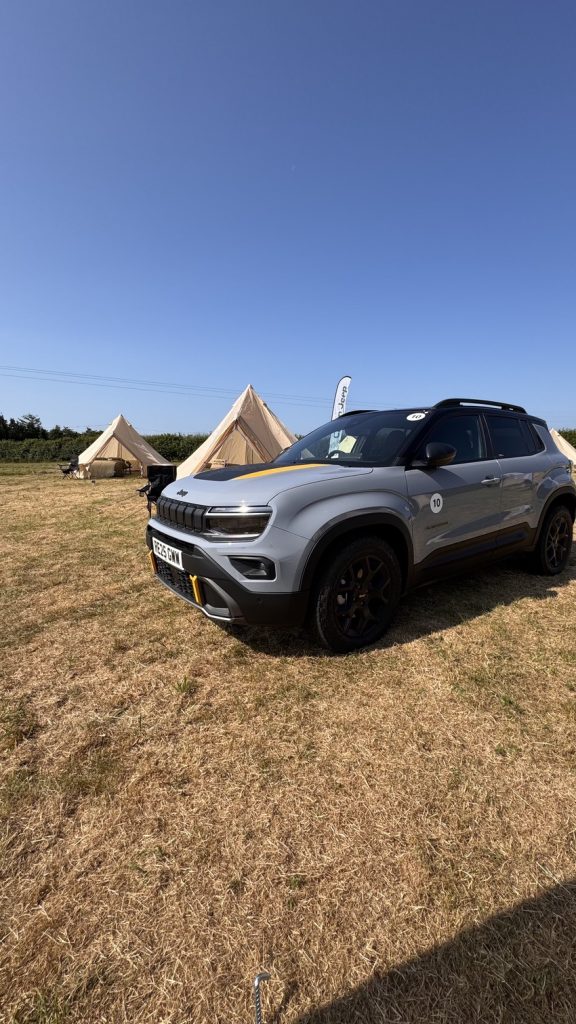
    The collaboration celebrates exploration and sustainability, combining Jeep’s off-road heritage with The North Face’s outdoor spirit. At first glance it looks tough and adventurous, finished in Storm Grey with Summit Gold accents, anti-glare bonnet decals and 17-inch black alloys. It looks built for dirt tracks, not just retail parks.

    Design & cabin

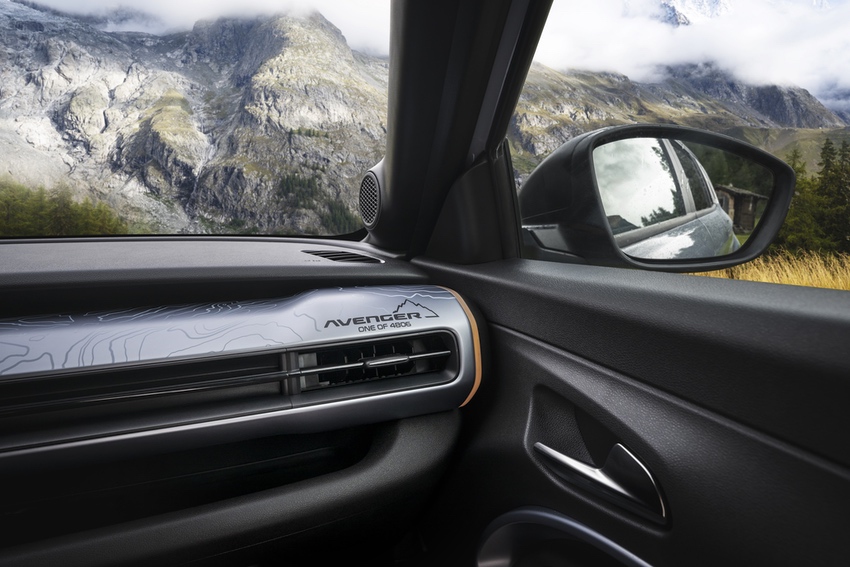
    The North Face Edition stands out with rugged styling and clever detailing. There’s a black roof, roof rails, gold skid-plate accents and topographic lines across the body and dashboard.

    Inside, the design borrows from outdoor gear. The seats mimic puffer jackets and backpacks, complete with Summit Gold piping and elastic straps on the seatbacks. The floor mats show Mont Blanc’s profile and the dashboard carries matching topographic detailing.

    Jeep Avenger The North Face Edition Interior

    It’s not luxurious, but that’s not the point. Materials are durable, the layout is clear and the digital screens are simple to read. The North Face branding adds an exclusive feel without overdoing it.

    Space & practicality

    The Avenger 4xe is compact but functional. The front cabin feels roomy with useful storage including a large cubby and dashboard shelf. The boot offers 325 litres with the seats up and just over 1,200 litres folded, which is plenty for weekend kit or shopping runs.

    Rear space is limited for tall adults but fine for short trips. Visibility is mostly good, helped by a 360-degree camera and parking sensors. The hands-free powered tailgate makes loading easy when your hands are full.

    Jeep Avenger Limited Edition North Face Mont Blanc Graphic

    On the road

    In normal driving the hybrid system feels smooth and responsive. The electric motor on the rear axle gives a quick push off the line, making it feel nippier than its figures suggest. It cruises comfortably at motorway speeds and handles town driving with ease.

    Steering is light, body control is stable and it feels secure even on twisty B-roads. The hybrid gearbox changes smoothly and the suspension deals well with rougher tarmac. Ride comfort is firm but not uncomfortable.

    Jeep Avenger The North Face Edition Hill Climb

    Off road

    Off-road is where the Avenger 4xe really shines. The setup is smart: petrol engine drives the front, electric motor drives the rear. The instant electric torque helps it power through mud and gravel where front-wheel-drive SUVs would spin out.

    At Camp Jeep, I took it up steep muddy climbs, through water, and across slopes on three wheels. It never faltered. The Hill Descent Control and Selec-Terrain system handled steep drops and slippery ground with confidence.

    Jeep Avenger 4xe The North Face Driving Off-Road

    It won’t replace a Wrangler, but for its size it’s genuinely impressive. Ground clearance, wading depth and traction make it one of the most capable small 4x4s you can buy.

    Range & running costs

    Jeep claims 51 mpg, and I averaged close to that during mixed driving. There’s no plug-in charging to worry about, yet it still benefits from electric-only movement at low speeds. CO₂ sits around 124–126 g/km, which keeps tax reasonable.

    Servicing is straightforward and running costs are low compared with traditional petrol 4x4s. The all-terrain tyres do create a little extra noise, but the trade-off is worth it for the grip they deliver off road.

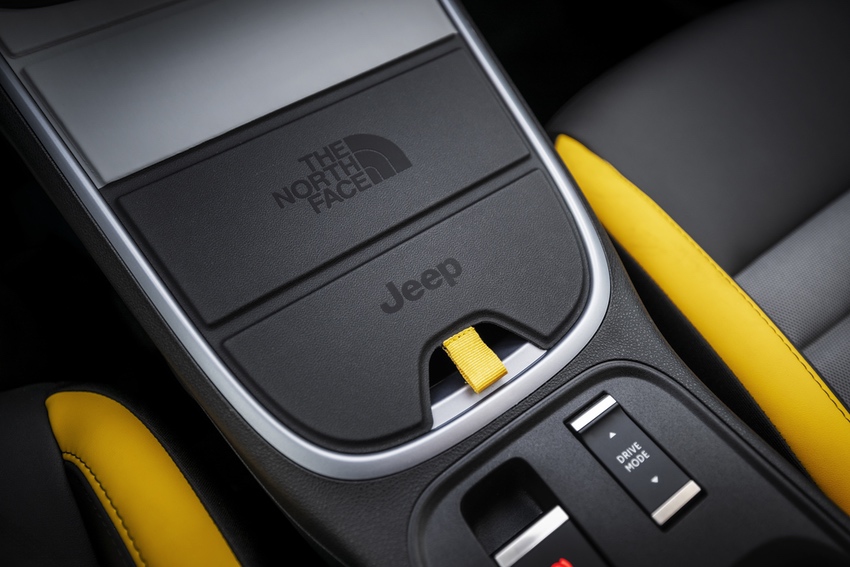
    The North Face Jeep Logo on Interior Trim

    Comfort & refinement

    The Avenger 4xe feels stable and quiet on longer drives. The North Face seats are supportive and easy to clean, the cabin feels solid and visibility is good. There’s no auto-hold function though, which I miss in stop-start traffic.

    Noise levels are well contained for a boxy car. Wind noise around the mirrors is noticeable above 60 mph, but not intrusive. Overall, it’s a relaxed drive for its size.

    Jeep Avenger Grey with Black Roof

    Tech and infotainment

    The twin 10.25-inch displays cover driver info and multimedia. The infotainment system includes built-in navigation, wireless Apple CarPlay and Android Auto, plus a wireless phone charger.

    It’s easy to use and clear to read. Response speed is decent, though the interface feels slightly behind the very best systems on the market. Driver aids include adaptive cruise control, blind-spot monitoring and lane-centering assist, giving confidence on longer journeys.

    Trims & pricing

    The North Face Edition sits above the standard 4xe trims. At around £35,000, it’s not cheap, but you get the extra styling, the outdoor-inspired interior and a limited-edition badge.

    If you want the same off-road ability without the branding, the Overland version offers similar mechanicals for less money, but lacks the exclusivity and design flair that make this one special.

    Jeep Avenger The North Face Camping with Tent

    Rivals

    Toyota Yaris Cross AWD-i and Suzuki Vitara AllGrip are its closest competitors, but neither feel as confident off road. The Subaru Crosstrek offers similar grip but less style, while the Dacia Duster 4×4 is cheaper but more basic.

    The Avenger 4xe strikes a balance between everyday practicality and genuine capability, something most compact SUVs can’t match.


    Who should buy or lease

    Best suited for:

    • Drivers who want a small SUV with real 4×4 ability
    • Adventurous owners who mix city use with weekend escapes
    • Buyers who prefer hybrid convenience over plug-in complexity
    • Those who like distinctive, limited-edition design

    Less ideal for:

    • Families needing lots of rear legroom or boot space
    • Drivers who want better electric range
    • Buyers seeking a plush, premium interior feel

    Want to explore how much this would cost you on a business or personal lease? Check out Rivervale today for the latest deals.

    Jeep Avenger 4Xe The North Face Edition

    Ben Freakley

    Performance: How quick it feels day to day. Power, throttle response and smoothness.
    Handling: How it corners and how stable it feels on different roads.
    Comfort: Ride quality, seating, refinement and road noise.
    Tech and Infotainment: Screens, CarPlay, clarity, speed, app controls, driver aids.
    Ease of Use: How simple the cockpit is. Buttons vs touch. Clear menus. Good ergonomics.
    Space and Practicality: Boot size, rear room, storage, access, visibility.
    Running Costs: Real world range, charging speed, fuel use, tax, servicing.
    Build Quality: Materials, fit and finish, how solid it feels inside.
    Value for Money: How much car you get for the price.

    Summary

    The Jeep Avenger 4xe The North Face Edition is a small SUV that feels like a true Jeep. It combines compact size with proper off-road ability, stylish detailing and efficient hybrid running. It’s tough, distinctive and fun to drive.

    The interior may lack polish and the absence of auto-hold is frustrating, but the Avenger’s ability to climb, wade and handle rough terrain sets it apart from most crossovers on the road.

    A compact 4×4 that’s every bit as adventurous as it looks.

    3.3

    FAQs

    Is the Jeep Avenger 4xe The North Face Edition fully electric?

    No, it’s a hybrid. The front wheels are powered by a petrol engine and the rear wheels by an electric motor. It runs briefly on electric power at low speeds but doesn’t plug in

    How good is it off road?

    Surprisingly capable. With 210 mm of ground clearance, clever traction modes and that rear electric motor, it’ll handle steep muddy climbs, gravel trails and even shallow water crossings.

    What makes The North Face Edition special?

    It’s a limited-run version (only 4,806 cars) with exclusive colours, Summit Gold details, outdoor-inspired interior design and branded extras like a tent and cool bag in the boot pack.

    What are the running costs like?

    No charging costs, just fuel. Expect around 50 mpg, moderate insurance and straightforward servicing through Jeep dealers.

    Who is it best suited to?

    Drivers who like weekend adventures, live somewhere rural or coastal, or simply want a compact SUV that can handle more than a kerb.

  • Maserati Meccanica Lirica: Modena celebrates the return of the GranTurismo and GranCabrio

    Maserati Meccanica Lirica: Modena celebrates the return of the GranTurismo and GranCabrio

    A triumphant week celebrating Maserati’s homecoming

    Maserati has returned home to Modena with a celebration that captured everything the Trident stands for: passion, performance, and Italian flair. The event, called Maserati Meccanica Lirica, marked the return of GranTurismo and GranCabrio production to the historic Viale Ciro Menotti plant, the true heart of the brand.

    From 5 to 9 November 2025, Modena hosted a week of music, art, and automotive heritage. Maserati combined its mechanical excellence with the lyrical rhythm of Italian culture to create something unforgettable.

    Roberto Bolle_Étoile del Teatro alla Scala di Milano_ospite speciale

    Where music met mechanics

    The celebrations began with an exclusive night at the Teatro Comunale Modena Pavarotti-Freni. Maserati turned opera into an immersive automotive experience. The Maserati Meccanica Lirica concept brought together live music, art, and engineering, showing the harmony between performance and emotion that defines the brand.

    The night reached its peak when the GranTurismo Meccanica Lirica One-Off appeared on stage. The Modena Philharmonic Orchestra performed Puccini’s Nessun Dorma as the car was revealed. Composer Dardust added a modern twist by mixing classical and electronic music. It was a perfect reflection of Maserati’s blend of tradition and innovation.

    Maserati Meccanica Lirica Modena 2025

    Craftsmanship and tradition reborn

    The celebrations then moved to the Viale Ciro Menotti plant. Maserati officially reopened its GranTurismo and GranCabrio assembly line and welcomed guests inside. Visitors met the engineers and artisans who build every car by hand.

    Two Meccanica Lirica One-Offs were on display, showing off the mix of Italian craftsmanship and modern design. Maserati used the event to reaffirm its deep commitment to Modena as the home of its creativity and production excellence.

    A city transformed

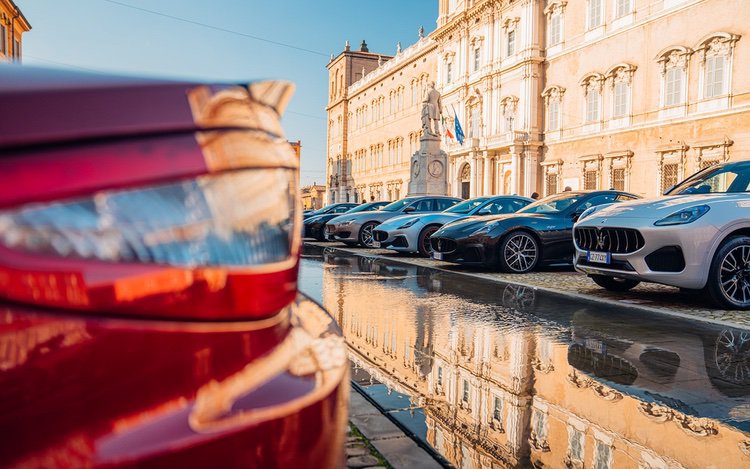
    Over the weekend, Modena turned into a living showcase for the brand. Streets and landmarks were dressed in the city’s yellow and blue colours. Sixty Maserati models, both classic and modern, joined a spectacular parade.

    A 1959 GT Spyder 3500 led the vintage line-up, while the GranTurismo Folgore represented the brand’s future as its first fully electric grand tourer. The event drew huge crowds and plenty of smiles.

    The parade ended at the Modena Autodromo, where guests took to the track for hot laps in the GT2 Stradale, MC20, and the new GranTurismo. The sound of engines filled the air once again, thanks to a tuned exhaust system created to highlight that distinctive Maserati note.

    Maserati Car Lineup in Italy 2025

    A cultural homecoming

    To make the event even more special, Roberto Bolle, Italy’s most famous ballet star, performed his piece Waves. The performance, a duet with laser light, captured the spirit of the week by combining tradition with technology.

    Michelin-starred chef Massimo Bottura curated the dining experiences, celebrating the shared passion for artistry and precision that connects Modena’s food culture and its most iconic carmaker.

    The modern Maserati lineup

    Maserati’s current range shows how far the brand has come. Alongside the GranTurismo and GranCabrio, the line-up features the Grecale SUV, the MC20 supercar, its open-top MC20 Cielo, and the new GT2 Stradale. Power options include V6 petrol engines and full-electric drivetrains, such as the GranTurismo Folgore and Grecale Folgore.

    Each model continues Maserati’s mission to redefine Italian luxury for the electric age. More importantly, they prove that performance and sustainability can coexist beautifully.

    Maserati GranTurismo Rosso Velluto Lirico Teatro Pavarotti-Freni Meccanica Lirica Modena 2025

    The sound of Modena lives on

    Maserati Meccanica Lirica was more than a celebration. It was a statement of intent. Maserati is staying true to its roots and reinforcing Modena as the heart of its engineering and design.

    Through a mix of art, craftsmanship, and performance, the brand has reminded the world why the sound of a Maserati is unlike anything else. The Trident’s voice continues to echo across the globe; proud, powerful, and unmistakably Italian.

    All images courtesy of Maserati S.p.A. / Stellantis Media.

  • Renault Twingo E-Tech Electric: The City Car Returns with a Modern Twist

    Renault Twingo E-Tech Electric: The City Car Returns with a Modern Twist

    The Renault Twingo is making a comeback, and this time it’s electric. Set to arrive in the UK in early 2027, the new Twingo E-Tech Electric promises to bring the charm and simplicity of the original 1990s icon into the electric era.

    A quick look

    • Price: Expected from under £20,000
    • Power: 60 kW (82 bhp)
    • Range: Up to 163 miles (WLTP)
    • Battery: 27.5 kWh LFP unit
    • Charging: 6.6 kW AC (11 kW AC and 50 kW DC optional)
    • Top speed: 81 mph
    • Availability: Early 2027 (UK)
    Renault Twingo e-tech Wheels

    A small car with a big legacy

    When the first Twingo launched back in 1992, it was something of a design revolution, small, friendly, and full of personality. Over 4 million were sold across 25 countries, and it quickly became a symbol of clever, affordable mobility.

    Fast-forward 30 years and Renault wants to recapture that spirit for the electric age. The new E-Tech model is built around affordability, simplicity, and fun. Renault says it’s the first car in its “Leap 100” programme, developed in just 100 weeks, showing how quickly the brand is moving to bring EVs to everyone.

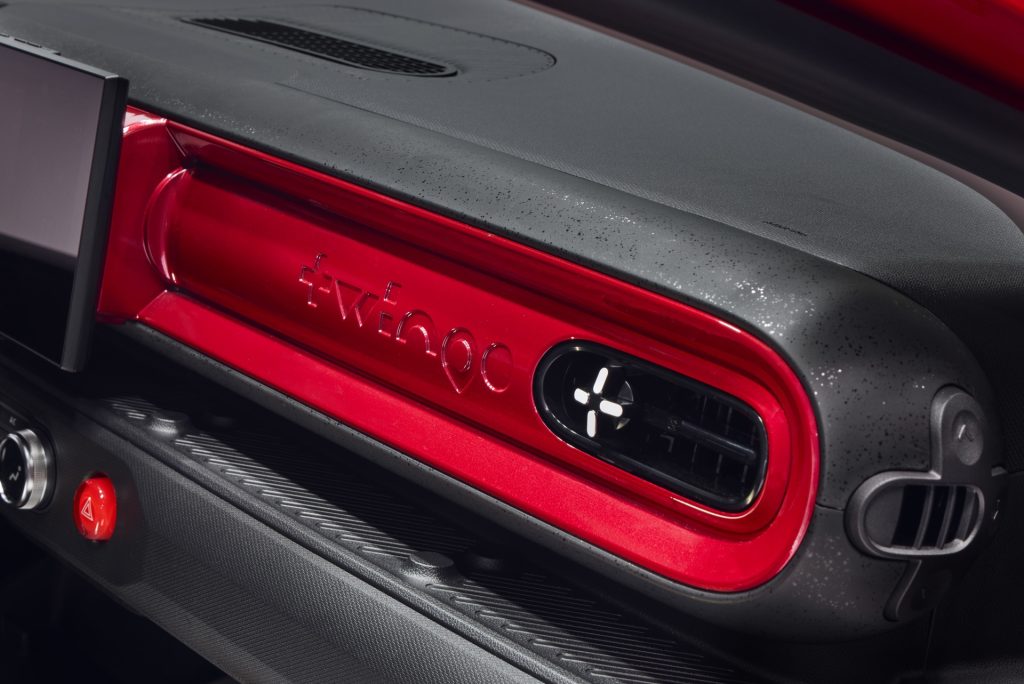
    Renault Twingo e-tech Interior Detailing

    Designed for urban life

    The Twingo E-Tech Electric is a five-door city car that looks cheerful and minimalistic, with clear nods to the original’s smiley face and curved lines. Inside, it’s neat and uncluttered, featuring a dual-screen layout with Google built-in and Apple CarPlay as standard.

    At just 3.79 metres long, it’s easy to park and nimble to drive; yet still offers impressive space. The rear seats slide independently to boost boot capacity up to 360 litres, or over 1,000 litres with the seats folded, clever for such a compact car.

    Renault Twingo e-tech Interior

    Electric power made simple

    The 60 kW motor and 27.5 kWh LFP battery deliver up to 163 miles of range, making this a perfect everyday commuter. A 0–50 km/h (31 mph) sprint in 3.85 seconds keeps it lively in city traffic, and with One-Pedal driving on the higher Techno trim, it’s smooth and effortless to use around town.

    Renault is also keeping running costs low, thanks to LFP battery tech that’s cheaper and longer-lasting. Charging is straightforward too; 4 hours 15 minutes on a home wallbox or 30 minutes for 10–80 percent on a fast charger.

    Renault Twingo e-tech Rear Light

    Looking ahead

    I’m really looking forward to seeing this one in the flesh. The new Twingo looks full of personality, feels practical for city life, and could be the perfect starter EV for many buyers.

  • Porsche Cayenne Electric: Digital World Premiere This November

    Porsche Cayenne Electric: Digital World Premiere This November

    The all-new Porsche Cayenne Electric is about to make its global debut, marking a major step in Porsche’s electrification journey. The luxury SUV that redefined Porsche’s lineup in 2002 is now entering its fully electric era.

    When and Where to Watch

    Porsche will reveal the Cayenne Electric during a digital world premiere on 19 November 2025 at 14:00 GMT.

    You can watch it live on YouTube

    Just a few days later, on 22–23 November, the Cayenne Electric will make its public debut at the Icons of Porsche Festival in Dubai, one of the brand’s biggest global events, attracting over 28,000 fans last year.

    A New Chapter for Porsche’s Flagship SUV

    The Cayenne has been a game-changer since its launch over two decades ago, blending sports car performance with everyday usability. Now, the Cayenne Electric takes that legacy into the EV age, promising:

    • Exceptional driving dynamics and long-distance comfort
    • Off-road capability worthy of the Cayenne name
    • Fast charging and strong efficiency from Porsche’s latest EV platform
    • A connected and digital interior to rival the Taycan

    This new electric SUV will sit alongside Porsche’s existing combustion and plug-in hybrid Cayenne range, giving customers even more choice.

    What to Expect

    While Porsche hasn’t released full details yet, early teasers suggest bold design updates, new battery technology, and benchmark-setting performance figures. If the Taycan is anything to go by, expect instant torque, precise handling, and premium build quality throughout.

  • All-New Toyota Hilux Announced: The Ninth Generation Arrives in 2026

    All-New Toyota Hilux Announced: The Ninth Generation Arrives in 2026

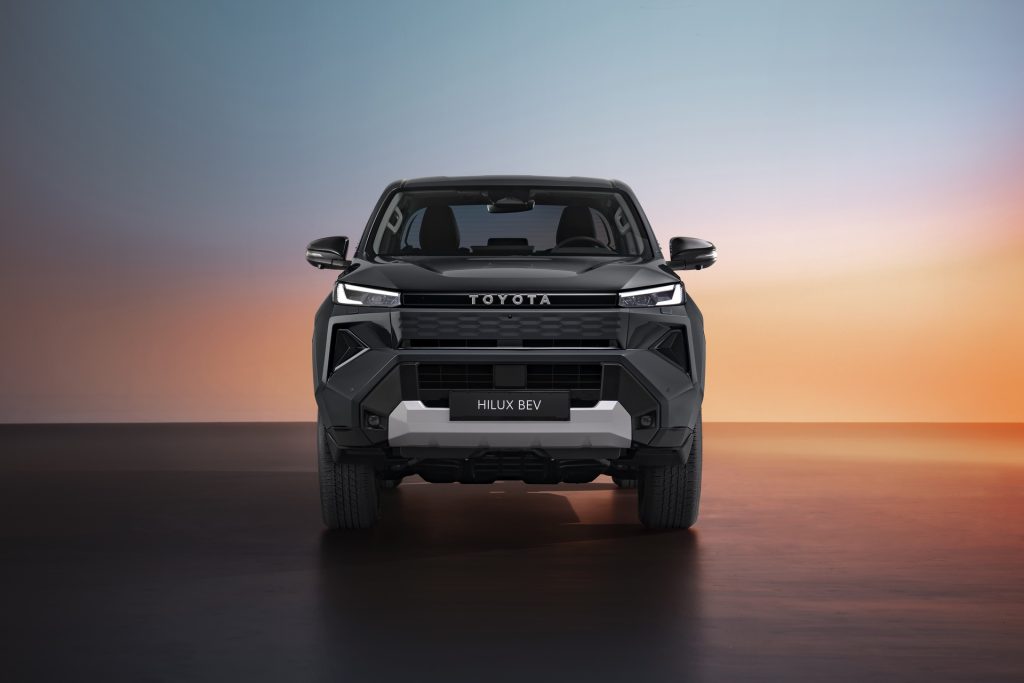
    Toyota has officially revealed the ninth-generation Hilux, set to go into production in spring 2026, with UK sales starting that summer. The announcement marks a new chapter for one of the world’s most famous pick-ups, bringing electrification, advanced tech, and a tougher design while staying true to its roots.

    As a long-time pickup fan, I’m genuinely looking forward to this one. I owned a 2018 Nissan Navara and haven’t driven a Hilux since around 2010, so I’m curious to see how far it’s come. Having tested the last three generations of the Ford Ranger, along with the MAXUS T60 Max and the all-electric MAXUS T90 & MAXUS eTerron 9, the Hilux’s move into hybrid and electric territory really catches my attention, especially the hydrogen-powered version planned for 2028.

    What’s New for 2026

    The new Hilux followToyota reveals the ninth-generation Hilux, arriving in 2026 with diesel, electric, and hydrogen powertrains. A new era for one of the world’s toughest pickups.s Toyota’s “multipath” approach, giving buyers a choice of powertrains:

    • A 2.8-litre diesel mild hybrid (48V) for strong towing and off-road ability
    • A fully electric Hilux BEV, offering around 150 miles of range
    • A hydrogen fuel cell Hilux, confirmed for 2028 production

    All versions will use a Double Cab body, feature electric power steering, all-wheel drive, and a cabin inspired by the latest Land Cruiser with a large digital display and improved materials. Toyota says payload remains close to a tonne and towing capacity up to 3,500kg, depending on the version.

    A Legend Evolved

    Since the first Hilux launched back in 1968, it has built a reputation for being practically indestructible. From Arctic expeditions to Top Gear torture tests, it’s one of the few pickups left in the UK market as others have disappeared. Now, it’s entering a new era with electrification but still sticking to its rugged, body-on-frame construction.

    Why It Matters

    With pickups like the Amarok, Ranger, and T60 continuing to evolve, Toyota’s decision to electrify the Hilux keeps it firmly in the running for fleet and lifestyle buyers alike. The electric model, in particular, will appeal to businesses wanting zero-emission capability without compromising off-road toughness.

    As someone who’s spent plenty of time around commercial vehicles and pickups, I can’t wait to see how it stacks up in real-world use, and I’ll definitely be trying to get behind the wheel when it lands in the UK.

  • Renault 5 Electric Review

    Renault 5 Electric Review

    The Renault 5 E‑Tech is a bold re-imagination of the classic 1970s hatchback. Over a week of driving it, I found it stylish, fun and genuinely usable for daily life. It won’t be perfect for everyone, but for those looking for a punchy, compact EV with personality, it’s hard to beat.

    Headline numbers

    • Price (UK) : approx £22,995 – £30,000+ depending on battery and trim
    • Trims : Evolution, Techno, Iconic Five (plus special editions)
    • Battery options : 40 kWh (Urban Range) or 52 kWh (Comfort Range)
    • Motor options : 90 kW (≈120 hp) or 110 kW (≈150 hp)
    • Real-world range : ~185-190 miles for 40 kWh; about ~250 miles for 52 kWh (book ~252 miles)
    • Charging : home charging overnight possible; rapid public charging 15-80% in ~30 minutes under good conditions
    • Boot & practicality: surprisingly generous for its size; good for everyday use.
    • Availability : On sale now
    • Leasing note: Excellent prospect for personal or business lease, thanks to its price, residual value, tech and appeal.
    Road trip to Renault Douai Factory

    First look

    The moment you walk up to the Renault 5 E-Tech you’ll notice its presence. The sharp lines and retro cues shout personality. In my week with it I found the bold colour and contrasting roof made it stand out in traffic and car parks alike.

    Auto Express describes it as:

    “well-priced, nice to drive, and has great tech”.

    Meanwhile Carwow highlights how it “blends everyday usability with a reasonably long range, fun driving character and a massive dose of retro charm”.

    My early impressions: controls feel familiar and intuitive, the driver environment feels intuitive and uncluttered. In an era where many EVs complicate the user experience with overly layered menus, this one keeps things refreshingly simple – a big plus.

    Design & cabin

    Exterior Design

    • The example I drove had a vivid yellow paint and black roof, it turned heads, just as expected.
    • Gloss-black wing mirrors, red detailing around the doors, diamond-cut alloy wheels, all combine to create that “funky hot-hatch” look.
    • Up front: minimal grille, flush lines, a clever LED badge/display where an air-intake would be on a petrol car. Details like those make a difference.
    • Rear: The styling is instantly recognisable as a Renault 5 lineage car, stacked LED lights, a carbon-effect trim across the boot lid and that cheeky silhouette.
    • Practical touches: Hidden door handles, rear tinted windows, 360° parking sensors all contribute to usability. In tight urban spaces I found it very easy to manoeuvre in and out.

    Interior / Cabin

    • Seats: My test car had mustard-toned upholstery with retro-style “5” embroidery. I wasn’t personally a fan of the colour choice, but the build and bolstering were good.
    • Dashboard: Leather-effect top, yellow stitching matching seats, gloss-black trim, illuminated Renault 5 branding, visually attractive and well finished.
    • Infotainment and tech: This is a highlight. The built-in Google apps, voice activation, personalisation of ambient lighting (you can cycle through all colours, choose your own) – very slick. Carwow calls the system “one of the best I’ve used in a long time”.
    • Boot and daily practicality: For a car of this size the boot is better than many expect. There’s a false floor with space underneath for your charging cable (which I found very handy). Rear seats are usable but not generous for tall adults on lengthy trips.
    • Rear cabin: Legroom is limited. I sat behind my driving position and felt the constraint. It’s fine for shorter runs or smaller passengers, but if you regularly move four tall adults and luggage it might feel compromised.

    Space & practicality

    For the “city plus commuting” use-case this car is very strong. It’s compact, easy to maneuver and park, while still offering enough space for daily errands, school runs and short motorway stints. Visibility is good and the parking cameras + sensors give confidence in tight spots. The build quality is better than I expected; according to Top Gear, the chassis feels “remarkably rigid… we can’t recall driving a supermini with better-insulated suspension noise.”

    If your requirement is a full-sized family car with lots of rear cabin and boot volume then this may not be the optimum choice, but that’s not what the Renault 5 E-Tech sets out to be.

    On the road

    City driving: The instant torque that electric motors offer is well exploited here. Whether pulling away from a junction or merging into traffic I found the car responsive and agile. Even in Eco mode it felt composed; flicking into Sport added some heft to the steering and enhanced the feel.

    B-roads and dual-carriageways: The ride is tighter than a budget hatch might be, but composed. Adaptive cruise and lane-keeping assist contribute to comfort on longer stretches; I used those on a dual-carriageway and found things calm and stable. The blind-spot monitoring worked well when switching lanes.

    Motorway use: The 52 kWh battery provides enough to make motorway use viable, though frequent 70 mph stretches will inevitably reduce range.The Renault 5 is not only a fantastic car for around-town driving, it’s more capable on the motorway than you might expect.

    Range & charging

    In my week with the 52 kWh version I found ~250 miles realistic in mixed use (urban + some A-roads + motorway). That lines up with the quoted 252 miles in the specs. The 40 kWh version gives lower range (185-190 miles) but still sufficient for many city-commute users.

    Charging: overnight home charging (7 kW) comfortably covers a full charge for daily use. Public rapid chargers: under optimal conditions you can go from ~15-80% in about 30 minutes. As ever with EVs, planning matters: check charger availability, consider your real-world usage, factor in weather and highway speeds which reduce range.

    Trims & pricing (buying tips)

    • Entry-level (~£22,995) gets you into the 40 kWh version with good kit.
    • Step up to the 52 kWh version (~£26k-£30k) for extra range and more power.
    • Bold colour choices (like Pop Yellow) add personality but can cost more and may affect resale.

    My advice:

    • If your commute is under ~50 miles and you mainly drive urban and peri-urban, the 40 kWh version could hit the sweet spot for cost.
    • If you regularly drive longer distances or want more flexibility (and occasional motorway use) the 52 kWh is worth the premium.
    • Choose a standout colour if you value the ‘fashion’ element.
    • Explore leasing: given the footprint of the car and the reduced running costs for an EV, it’s a compelling option.

    Rivals

    • Mini Electric: similar size and premium feel, but in many opinions the Renault 5 gives more space/practicality plus stronger design character.
    • Vauxhall Corsa Electric: more conventional hatch shape, very credible offering; the Renault wins on personality. Carwow compares them.
    • Peugeot e‑208: stylish and fun to drive, a strong contender; but again the Renault’s tech and retro styling give it a unique appeal.

    Safety & ownership

    Safety systems: The car comes with modern driver aids – adaptive cruise, lane-keeping assist, blind-spot monitoring, parking sensors/cameras front and rear. I found them all well-calibrated (i.e., not intrusive). Build quality is very good for this class. Plus the suspension noise insulation is class-leading.

    Ownership: EV running costs are low, no fuel, lower servicing. Renault offers a standard warranty; charging infrastructure remains the owner’s responsibility to plan. Auto Express awarded the Renault 5 “Affordable Electric Car of the Year 2025”.

    Who should buy/lease

    Great choice if you:

    • Live in urban/suburban areas and want an EV with flair.
    • Value design, tech and personality as much as practicality.
    • Mostly drive two to four people and don’t regularly need huge rear cabin space.
    • Want a compact car that’s easy to park and runs cheaply.
    • Are leasing or buying with an eye on cost-effective EV ownership.

    Less ideal if you:

    • Regularly carry four tall adults plus luggage on long trips.
    • Need maximum range or the most rapid charging performance available.
    • Prefer conventional styling and aren’t interested in stand-out looks.

    Renault 5

    Ben Freakley

    Performance: How quick it feels day to day. Power, throttle response and smoothness.
    Handling: How it corners and how stable it feels on different roads.
    Comfort: Ride quality, seating, refinement and road noise.
    Tech and Infotainment: Screens, CarPlay, clarity, speed, app controls, driver aids.
    Ease of Use: How simple the cockpit is. Buttons vs touch. Clear menus. Good ergonomics.
    Space and Practicality: Boot size, rear room, storage, access, visibility.
    Running Costs: Real world range, charging speed, fuel use, tax, servicing.
    Build Quality: Materials, fit and finish, how solid it feels inside.
    Value for Money: How much car you get for the price.

    Summary

    The Renault 5 E-Tech delivers on its promise: a retro-inspired electric hatch that doesn’t compromise modern usability. My week with it confirmed the experience is more than just style, it’s genuinely fun, efficient and practical for many daily use cases.

    Sure, it’s not perfect: rear seats are tight and battery size limits for heavy motorway use apply. But those are trade-offs I found acceptable given the package.

    If you’re in the market for a compact EV that stands out, is easy to live with and offers strong tech, this is a very compelling pick. I give it 4.7 out of 5 stars.

    4.7

    FAQ’s

    Should I lease or buy the Renault 5?

    Leasing is very attractive given the low starting price, strong desirability and EV running cost benefits. If you drive enough to justify ownership, buying could work too.

    Is the interior tech good?

    Yes. The infotainment is intuitive and full of features (Google built-in apps, voice control, ambient lighting colours, etc).

    What charging times should I expect?

    Home charging (7 kW) overnight will top the battery for most uses. On public rapid chargers, you can get from 15-80% in about 30 minutes under good conditions.

    How far can you drive on a full charge?

    With the 52 kWh battery expect around 250 miles in average use, including dual carriageway and motorway driving around 50/55mph; however, sit at 70mph for your entire journey and you’ll see the range drop fairly rapidly. The 40 kWh version gives 180-190 miles realistically.

    What’s the room like in the back?

    Rear legroom is limited, especially with the front seats pushed back to accommodate anyone 5′ 8″ or taller. Good for shorter trips and smaller passengers; less for tall adults on long journeys.


    Renault 5 Wins Motor Industry Award 2025

    Renault 5 Wins ‘EV of the Year’ at the Motor Trader Industry Awards 2025