
A quiet shift has been happening on UK roads.
In just a couple of years, Chinese-owned car manufacturers have gone from fringe names to serious players. Not concept cars. Not future promises. Real cars, on sale now, and selling well.
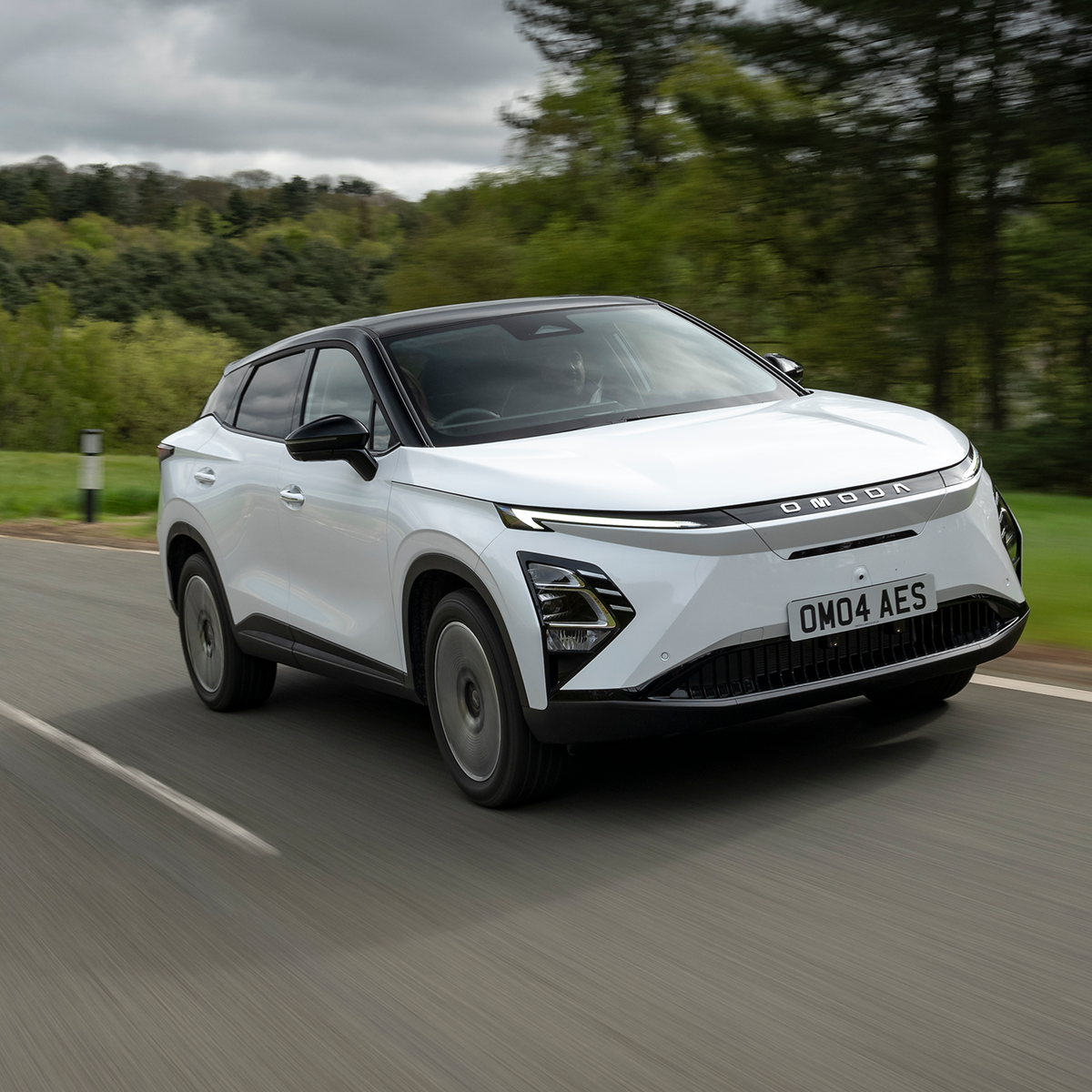
Brands like Chery, Geely, Jaecoo, Omoda, Leapmotor, XPeng and Changan are now part of the UK conversation. More are on the way, with Aion expected to arrive in 2026.
For a long time, Chinese OEMs were talked about as “ones to watch”. That time has passed. They are here, and they are changing the market fast.

Buyers care less about badges than ever
One of the biggest shifts is attitude.
UK buyers, both private and company car drivers, are becoming far less loyal to traditional badges. If the car looks good, feels modern, and costs less per month, the logo matters less than it used to.
That is especially true in the EV space.
Chinese brands have leaned hard into electric and hybrid tech. They offer long equipment lists as standard, strong range figures, and interiors that feel closer to premium than budget. When you put those cars next to a German or Japanese rival that costs more and includes fewer features, the choice becomes simpler.
This is not about people “taking a risk”. Many buyers now see these brands as smart value rather than unknown quantities.
Leasing has poured fuel on the fire
Leasing has played a huge role in this rise.
Monthly payments matter more than list price. Chinese OEMs understand that. Aggressive pricing, strong finance backing, and a willingness to support volume have made these cars extremely competitive on lease.
That is why some models have climbed search rankings at a startling pace.
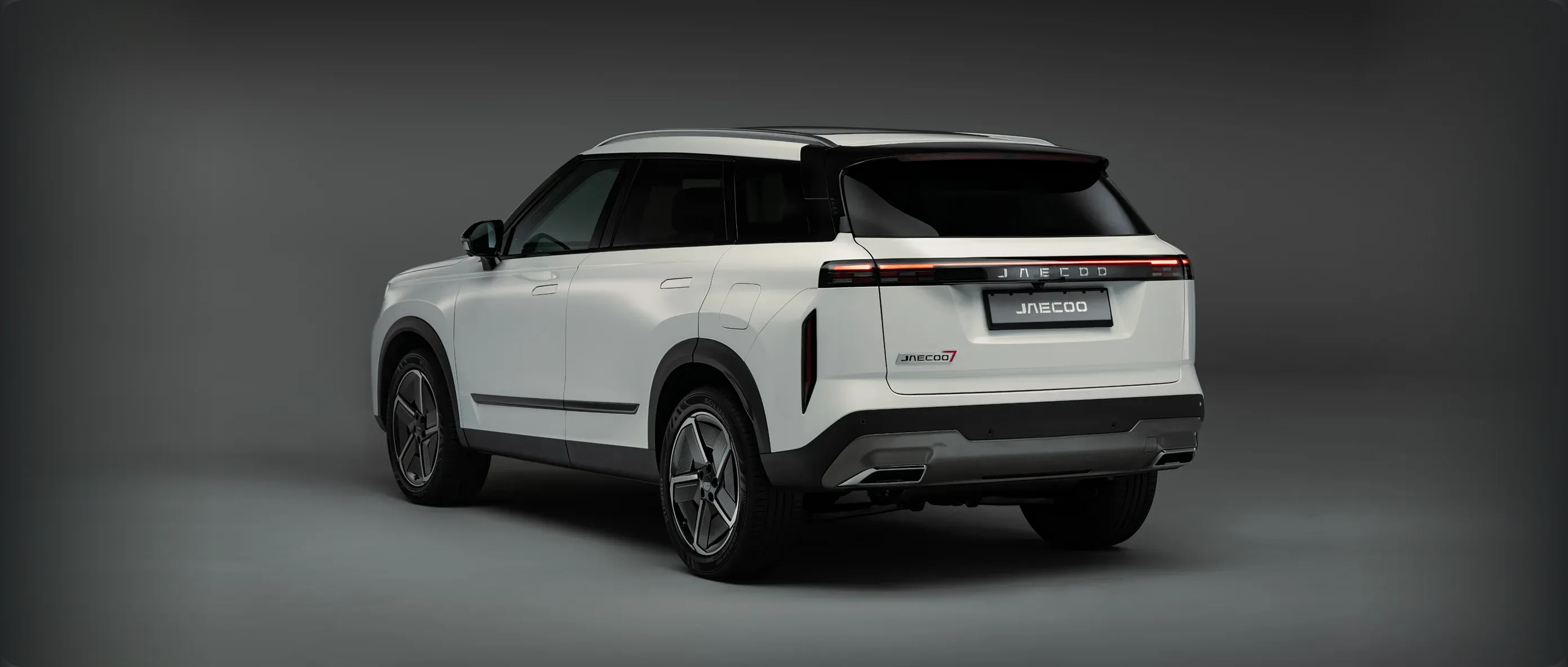
The standout example is Jaecoo 7. It only became widely available in the UK in early 2025, yet within months it was topping leasing search charts and comparison site enquiries. For many drivers, it hit the sweet spot of size, tech, and cost.
Once customers realise they can drive a brand-new, well-specced SUV for the same money as a smaller, lower-spec alternative from an established brand, habits change quickly.
Legacy brands are feeling the pressure
This shift has not gone unnoticed.
Traditional prestige brands have seen softer demand in some fleet and personal leasing channels. Not because their cars are suddenly bad, but because the value equation has moved.
Chinese OEMs are forcing competition back into a market that had become predictable. More equipment as standard. Sharper lease rates. Shorter product cycles. Faster responses to what customers actually want.
For buyers, that is a good thing.
For established manufacturers, it is a wake-up call.
What happens next?
This feels like the early chapters, not the peak.
More Chinese brands will arrive. Existing ones will expand their ranges. Expect better dealer coverage, improved brand awareness, and stronger resale confidence as volumes grow.
You will also start to see clearer brand identities forming. Right now, many buyers are discovering these cars through price and spec. Over time, design, driving feel, and ownership experience will matter more.
The key point is simple.
Chinese OEMs are no longer “new”. They are part of the UK market, and they are reshaping it at speed. If you are shopping for your next car in 2026, chances are one of them will already be on your shortlist, whether you planned it or not.
Personal take for Ben Talks Auto
I’ll be honest. A couple of years ago, I would have skimmed past most Chinese car brands without a second thought.
That has changed quickly.
I’ve now spent proper time around cars from brands like Jaecoo, Omoda and Geely, and the biggest surprise is not the tech or the spec sheets. It’s how normal they feel to live with.
The interiors are well thought out. The tech works. The cars feel calm, comfortable and easy to drive. When you then look at the monthly lease costs, it suddenly makes sense why buyers are moving so fast.
These brands are not trying to be niche or quirky. They are going straight for the mainstream, and doing it with confidence. If I was choosing a new EV or hybrid today, I would absolutely be cross-shopping at least one Chinese OEM alongside the usual European names. Not out of curiosity, but because the value is hard to ignore.