Category: News & Updates

  • The new BMW i3 looks like a huge moment for BMW and I really want to see it in the flesh

    The new BMW i3 looks like a huge moment for BMW and I really want to see it in the flesh

    I have always had a soft spot for BMW.

    Partly because I just like the cars, but also because BMW has been around me for as long as I can remember. I was brought up in and around BMW dealerships, and my first proper job was as a Saturday boy working as a Dealer Host for a BMW retailer. So whenever BMW does something important, especially with the 3 Series bloodline, I pay attention.

    And this feels important.

    BMW has revealed the new all-electric i3, the second model in its Neue Klasse era, and on paper it looks like one of the most significant cars the brand has launched in years. BMW is talking about this car as a fresh take on the core of the brand, and that makes sense because the 3 Series has been one of the most solid, dependable and recognisable cars in the BMW line-up for decades. It is not just another model. For many people, it is the BMW.

    BMW i3 Neue Klasse Electric

    Why this matters

    The 3 Series has always had a difficult balancing act to pull off.

    It has needed to be sporty without being tiring, premium without feeling overblown, and sensible enough to live with every day while still giving drivers something to enjoy. That is a big part of why it has lasted so long and why so many people keep coming back to it.

    So the challenge for this new electric i3 is not just to be fast, efficient or packed with tech. It has to feel worthy of the badge and the nameplate it is following.

    That is where my curiosity really kicks in.

    Because while a lot of electric saloons now chase range, screens and straight-line pace, BMW is making a big point of saying this car still delivers the sort of driving experience people expect from a 3 Series. The company says the new i3 has been engineered around its new Heart of Joy control system, which manages the key driving functions, and it claims this will help give the car the sort of precise, assured handling BMW buyers expect.

    The headline numbers are properly big

    BMW says the new i3 will offer up to 560 miles of range under the WLTP cycle, which is a huge number if it stacks up well in the real world. It is also built around an 800-volt architecture and supports charging speeds of up to 400kW, with BMW claiming as much as 249 miles of range can be added in just 10 minutes at the right rapid charger. That would put it right up there with the most impressive EVs on sale when it arrives.

    The launch model will be the BMW i3 50 xDrive, with dual motors producing 469hp and 645Nm of torque. So no, this is not BMW easing gently into the electric future.

    BMW i3 Side Profile

    It looks like a 3 Series, but from the future

    That is probably what I find most interesting about it visually.

    BMW says the new i3 is instantly recognisable as a 3 Series, and I can see what it means. The proportions still feel familiar for a BMW saloon, but the details are much cleaner, more dramatic and far more modern. There is a new shark-nose front end, a fresh take on the kidney grille, a coupe-like roofline, flush door handles and a much more stripped-back overall shape. It looks less busy than a lot of current BMWs, and for me that is no bad thing.

    I also quite like the fact that BMW has not simply turned this into another crossover. The industry is full of electric SUVs already. There is something reassuring about BMW still believing a sleek saloon can sit at the heart of the brand.

    BMW i3 Interior

    Inside, BMW is going all in on the next generation feel

    The cabin sounds like a major departure from what we know today. BMW says the new i3 gets its Panoramic iDrive set-up with a wide windscreen display, a large central touchscreen, a new steering wheel and Operating System X. The whole idea is to make it feel cleaner, more intuitive and more driver-focused. BMW is also using more recycled materials, including seat trim made from 100 per cent recycled polyester.

    That all sounds promising, although I will be honest, this is exactly why I want to see the car in the flesh.

    BMW interiors can look fantastic in photos and on a spec sheet, but the real test is how it all feels when you sit in it. Does it still feel special? Does it still feel driver-focused? Does it still feel like a BMW? Those things matter just as much as the technical headline figures.

    BMW i3 Interior Back Seats

    I am especially interested to see whether it still has that 3 Series magic

    That is the big question for me.

    The 3 Series has never just been about performance numbers. It has always been about the way the whole car comes together. The seating position. The steering. The sense that it shrinks around you once you are on the move. The feeling that it can handle the daily grind and still make a back road feel worthwhile.

    BMW clearly knows that, because the language in this announcement leans heavily on driving pleasure, driver orientation and the long-standing appeal of the 3 Series. That tells me they know exactly how much is riding on this car.

    BMW i3 Rear

    When is it coming?

    BMW says production of the new i3 will begin in August 2026, with first UK customer deliveries expected in autumn 2026. Pricing and full UK specification are still to be confirmed.

    My take

    On paper, this looks like a very serious car.

    The range claim is massive. The charging speeds are impressive. The performance is strong. And perhaps most importantly, BMW is not trying to pretend this is just a gadget on wheels. It is trying to make the electric i3 feel like a genuine continuation of everything people have loved about the 3 Series for years.

    As someone who has been around BMW from a young age, and who still sees the 3 Series as one of the brand’s defining cars, I find that genuinely exciting.

    Now I just want to see it in the flesh.

    Because this is one of those cars where the details, the stance and the atmosphere are going to matter just as much as the spec sheet. And if BMW has got this right, the new i3 could end up being one of the most important electric cars the brand has ever launched.

  • The new Jaecoo 8 looks alarmingly like a Range Rover Sport and that might be exactly why it will do well

    The new Jaecoo 8 looks alarmingly like a Range Rover Sport and that might be exactly why it will do well

    There is a moment when you first see the new Jaecoo 8 and think, hang on a second, I know what you’re doing here.

    The stance. The bluff front end. The clean surfacing. The flush door handles. The big wheels. The broad-shouldered SUV shape. It is not a copy in the most literal sense, but let’s not dance around it, the Jaecoo 8 gives off very strong Range Rover Sport energy. And in the UK, that is not a bad place to start.

    Because while plenty of buyers would love the look and road presence of a luxury SUV, not everyone wants the badge prestige pricing, the running costs or the image baggage that can come with it. Jaecoo seems to understand that better than most. The new 8 is basically saying, here is a large, high-spec, plug-in hybrid SUV with six or seven seats, 428PS, four-wheel drive, plenty of tech and a cabin loaded with toys, but for well under £50,000. Official UK pricing starts at £45,495 for the seven-seat Luxury and £46,995 for the six-seat Executive.

    That immediately makes this one of the more interesting new arrivals heading to the UK this year.

    And it matters because Jaecoo is no longer some obscure new badge nobody has heard of. The Jaecoo 7 has already proven that British buyers are far more open-minded than many legacy car brands probably hoped. In January 2026, the Jaecoo 7 racked up 4,059 registrations and finished as the UK’s second best-selling new car for the month. That is not a niche success story. That is a proper arrival.

    So the Jaecoo 8 does not turn up as an outsider. It turns up with momentum.

    What I find most interesting is that Jaecoo has not just made the 8 bigger than the 7 and called it a day. This feels like a deliberate move upmarket. You can have it as a seven-seat family SUV, or in Executive trim with a six-seat layout and proper second-row captain’s chairs. That second option feels especially telling. It says Jaecoo is not just chasing mainstream family buyers. It is trying to tempt people who like the idea of a more luxurious, more indulgent SUV without moving into traditional premium-brand territory.

    The numbers are strong too

    Official UK specs confirm 428PS, 580Nm and a 0-62mph time of 5.8 seconds, which is seriously brisk for a big plug-in hybrid SUV. UK reports also say it can manage up to 83 miles of electric-only range, which, if it translates even half-decently into real-world use, could make it a very usable PHEV rather than the usual token effort. Many plug-in hybrids look good on a brochure and then give you just enough battery range to feel mildly smug on the school run. The Jaecoo 8, at least on paper, appears to be aiming higher than that.

    The equipment list is huge

    Jaecoo’s UK site lists 20-inch alloys, torque-vectoring four-wheel drive, adaptive CDC suspension, a 12.3-inch digital instrument cluster, wireless Apple CarPlay and Android Auto, a Sony 14-speaker sound system, 50W wireless charging, over-the-air updates, online navigation, Wi-Fi hotspot capability and a connected app-based system. It also gets a long list of safety kit including curtain airbags, a centre airbag, eCall, ISOFIX and a 540-degree panoramic camera system.

    That is the sort of spec sheet that would have looked fantasy-land stuff at this price point not very long ago.

    Inside, it majors on comfort

    The front seats are power-adjustable, the driver gets ventilation and memory, there is ambient lighting, a panoramic roof and a heated and cooled centre armrest, while the Executive adds reclining and folding second-row seats with massage. Massage seats in the second row. In a sub-£50k Jaecoo. That tells you everything about where the Chinese brands are pushing hardest right now. Not just lower prices, but higher perceived value.

    The funny thing is, even if you ignore the styling conversation, the Jaecoo 8 still looks like a smartly judged bit of market positioning.

    The Hyundai Santa Fe has gone big on visual drama. The Skoda Kodiaq remains one of the most sensible and complete family SUVs out there. Premium German SUVs still dominate aspirational buyer wish lists. Jaecoo seems to have looked at all of that and gone for a different route. Give buyers the wow factor, pile on the features, make it feel expensive, keep the powertrain relevant to UK needs and land it at a number that forces people to pay attention.

    Yes, it really does look familiar

    The design, though, will be what gets everyone talking first.

    I can already imagine the comments sections filling up with the same line over and over again. It looks like a Range Rover Sport. And yes, from some angles, it really does. The waterfall grille is Jaecoo’s own, the rear light signature has its own shape, and the overall execution is not a straight photocopy, but the influence is obvious enough that pretending otherwise would be silly.

    Still, car buyers have never shopped in a vacuum. Familiarity sells. Aspirational design sells. Road presence sells. If you can offer all three while undercutting more established rivals and throwing in a genuinely useful plug-in hybrid system, people will forgive a lot.

    What will it be like to drive?

    The more important question is what it will be like to drive.

    Officially, we know it gets torque-vectoring four-wheel drive and CDC adaptive suspension, which at least suggests Jaecoo wants to talk about more than just touchscreen sizes and seat massage programmes. But until I get behind the wheel, that part remains the unknown. A big, heavy, high-powered plug-in hybrid can either feel surprisingly polished or surprisingly synthetic. There is not usually much middle ground.

    First thoughts

    So first impressions?

    The Jaecoo 8 looks like one of the boldest statements yet from a Chinese brand in the UK. Not because it is cheap, because it is not exactly cheap. But because it understands what a lot of buyers actually want. Space. Style. Power. Presence. Tech. Reassurance. A premium feel without an eye-watering premium invoice.

    And if it just happens to look a bit like a Range Rover Sport while doing all that, Jaecoo probably will not lose much sleep over it.

  • Chery Tiggo 4 arrives in the UK and this could be one of 2026’s most interesting budget SUVs

    Chery Tiggo 4 arrives in the UK and this could be one of 2026’s most interesting budget SUVs

    Chery is not hanging about in the UK. It only launched its own brand here recently, yet the range is already growing quickly, and now there is another model on the way in the shape of the new Tiggo 4. At first glance, this looks like a very important car for the brand, because it goes straight after one of the biggest pressure points for British buyers right now: getting a stylish, practical SUV without spending a fortune.

    What immediately grabs attention is the price. The new Chery Tiggo 4 starts from £19,995, which gives it a very strong opening line in a market where even small SUVs can now feel surprisingly expensive. That alone will get people talking, but this car looks interesting for more than just the number on the windscreen.

    The Tiggo 4 is Chery’s first UK model to use the brand’s full-hybrid powertrain. That means no plugging in, no relying on public chargers, and no major change to your daily routine. It is designed to offer a more straightforward route into electrified driving for people who still want the familiarity of a petrol engine but would like better efficiency and lower running costs around town and on everyday trips.

    Under the bonnet is a 1.5-litre petrol engine working with a compact hybrid battery system, with total power quoted at 204PS. For a small SUV at this price, that is a pretty eye-catching figure. On paper at least, this should mean the Tiggo 4 has enough punch to feel lively in normal driving, rather than simply being another budget-focused crossover that asks you to compromise.

    That is what makes this launch feel significant. Chery is not just trying to offer the cheapest thing it can. It seems to be aiming for that sweet spot where price, performance, technology and peace of mind all meet in the middle. For a lot of buyers, that is exactly where the real battle is being fought.

    In terms of design, the Tiggo 4 looks very much like a modern member of the Chery family. It has the upright SUV stance people love, a bold front end, sharp lighting details and enough visual presence to avoid looking like a cut-price afterthought. It has the sort of styling that should appeal to drivers who want something contemporary and smart, but not overly fussy.

    It also feels like the right kind of car for the way many people actually use their vehicles. This is the sort of compact SUV that needs to cope with commuting, school runs, shopping trips, a weekend away and the general messiness of everyday life. If Chery has got the packaging right, that could be a major part of the Tiggo 4’s appeal.

    There is also reassurance in the ownership proposition. Chery is backing the Tiggo 4 with a seven-year or 100,000-mile warranty, plus an eight-year or 100,000-mile battery warranty. For buyers who may still be getting to know the brand, that matters. It gives the impression of a company that knows trust still has to be earned, and is willing to put some substance behind the sales pitch.

    More broadly, the Tiggo 4 feels like another sign that Chery is serious about building real momentum in the UK. We have already seen the brand expand its line-up quickly, and this latest arrival looks like it could become one of its most accessible and potentially most relevant models yet. Not everyone wants a big SUV. Not everyone wants a plug-in hybrid. Not everyone wants to spend more than £20,000. This looks like a car designed with those people firmly in mind.

    My early take is that the Tiggo 4 could be one of those cars that quietly becomes a bigger deal than many expect. It is entering a crowded part of the market, but it is doing so with a clear message. Keep the price sensible, give people hybrid efficiency without complication, wrap it in a modern SUV body, and offer enough reassurance to tempt cautious buyers. That sounds like a smart formula to me.

    There is still more to learn about the full UK specification, but as a first impression, this looks like a very promising addition to the Chery range. If the driving experience holds up and the interior quality feels competitive, the Tiggo 4 could end up being a genuine value standout.

    For UK buyers watching their budgets but still wanting something fresh, useful and electrified, this is definitely one to keep an eye on.

  • Changan Deepal S05: the £38k electric SUV that wants to take on the Elroq (and more)

    Changan Deepal S05: the £38k electric SUV that wants to take on the Elroq (and more)

    Changan is back with another Deepal for the UK, and this one looks aimed right at what loads of people are shopping for in 2026: a compact electric SUV with decent range, punchy performance, fast charging, and a price that stays (just about) sensible.

    It’s called the Deepal S05, and it follows the Deepal S07, which was Changan’s first big step into the UK market.

    The basics: price, power, range

    You get two versions:

    • RWD from £37,990
    • AWD from £39,995

    The S05 sits in a seriously busy part of the market, with rivals including the Skoda Elroq and Kia EV3.

    Both versions use a 68.8kWh LFP battery, with claimed range of:

    • Up to 303 miles (RWD, WLTP)
    • Up to 278 miles (AWD, WLTP)

    Charging is rated at up to 200kW DC, with claims of a rapid top-up in roughly 15 minutes from 30% to 80% on a suitable charger.

    Why the AWD model looks like the headline act

    If you want the quicker one, it’s the AWD:

    • 0 to 62mph in 5.5 seconds
    • 112mph top speed

    That’s properly lively for something pitched as a family SUV. Not a hot hatch replacement, but it should feel quick enough to keep you smiling.

    Interior and usability: the bit I want to test for myself

    The cabin sounds like it’s going for that clean, modern, tech-first vibe. The headline feature is a big 15.4-inch central touchscreen, and it can tilt to help reduce glare.

    My big question is the same one I have with a lot of new cars: how much of the everyday stuff gets buried in menus? On paper it looks smart. In real life, it can make or break the experience.

    Space and practicality

    Storage looks strong for a compact SUV:

    • 492-litre boot
    • 159-litre frunk (front boot)
    • Loads of cabin storage (handy for cables, bottles, and all the usual life clutter)

    I haven’t driven the S05 yet

    I haven’t had seat time in the S05 so far, but I’m hoping to get behind the wheel in the next couple of months. When I do, I’ll be focusing on:

    • Ride comfort on rough UK roads
    • Real-world efficiency and motorway range
    • Whether the infotainment is slick or a constant faff
    • How the AWD system feels in normal driving, not just perfect conditions

    Want a Changan Deepal fix right now?

    I recently reviewed the Changan Deepal S07 on the Rivervale YouTube channel. If you want a feel for how Changan does design, cabin ambience and tech, that video is a good place to start.

    If you’re thinking about one on a personal or business lease, keep an eye on the S05 as it lands. And if you want to compare it against what you can lease right now, you can browse current electric SUV deals through Rivervale.

  • Lexus UX 300h gets a revised range for 2026

    Lexus UX 300h gets a revised range for 2026

    Lexus has updated the UK line-up for its UX 300h compact hybrid SUV for the 2026 model year. The headline change is a simplified range built around five trim levels, plus a handful of equipment upgrades and an extra safety feature fitted across the board.

    The updated UX 300h is on sale now in the UK, with prices starting from £38,095.

    Five trim levels, all front-wheel drive

    For 2026, the UX 300h comes in five trims, all front-wheel drive:

    • Premium
    • F Sport Design
    • F Sport Design Tech
    • F Sport
    • Takumi

    What’s new on the Premium model

    The entry Premium grade gets a useful lift in standard kit, including: 

    • Door mirrors that are electrically adjustable and heated, with Blind Spot Monitor integrated
    • Leather trim on the steering wheel and shift lever
    • Wireless phone charger as standard

    Premium equipment highlights also include chrome roof rails, LED front fog lights, 17-inch alloys, smart entry and start, heated front seats, parking sensors, automatic headlight levelling, and a 9.8-inch Lexus Link Connect touchscreen system. Lexus Safety System+ is included too.

    New Driver Monitor safety feature on all models

    Every 2026 UX 300h now includes a Driver Monitor system. It uses a camera above the steering wheel to check the driver’s condition. If it detects tiredness or signs the driver may be unwell, it issues visual and audible warnings.

    Lexus says it links in with the car’s active safety systems and can bring the car to a controlled stop with hazard lights if the driver does not respond (Emergency Driving Stop). 

    F Sport Design and F Sport Design Tech

    These two trims are largely unchanged for 2026, aside from gaining the Driver Monitor system. 

    F Sport Design adds items such as:

    • 18-inch alloy wheels
    • Heated steering wheel
    • Rear privacy glass
    • Tahara synthetic leather upholstery and steering wheel trim

    F Sport Design Tech adds:

    • Power-operated tailgate
    • Lexus Link Pro with embedded navigation (plus cloud-based route planning)
    • 12.3-inch touchscreen
    • 12.3-inch driver display (combimeter / multi-information display)

    F Sport and Takumi updates

    The F Sport grade adds a multi-illumination entry welcome system for 2026. It also retains features like paddle shifts, aluminium scuff plates, sports seats, leather upholstery, Adaptive Variable Suspension, Active Sound Control and a Sport Plus drive mode. 

    The same new entry lighting is also part of the refreshed Takumi model. As the flagship, it keeps a long list of comfort kit including a mirror memory setting, heated steering wheel, smooth leather upholstery, heated and ventilated front seats, head-up display and a 13-speaker Mark Levinson audio system. 

    Hybrid power and performance

    The UX 300h uses a full hybrid system producing 196bhp. Lexus quotes: 

    • 0–62mph: 8.3 seconds
    • WLTP fuel economy: 53.2 to 56.4mpg
    • CO2 emissions: 113 to 118g/km (depending on grade)

    UK prices (OTR)

    • UX 300h Premium: £38,095
    • UX 300h F Sport Design: £38,595
    • UX 300h F Sport Design Tech: £40,195
    • UX 300h F Sport: £45,395
    • UX 300h Takumi: £49,495

    Quick leasing nudge

    If you’re thinking about running a Lexus UX 300h on a monthly payment, it’s worth checking out Rivervale to compare personal and business leasing options and see what offers are available.

  • Lexus brings steer-by-wire to the RZ: driving reinvented for its electric SUV

    Lexus brings steer-by-wire to the RZ: driving reinvented for its electric SUV

    Lexus is rolling out a new steer-by-wire system in the latest RZ electric SUV, aiming to make the car feel more direct to drive while also rethinking how the cockpit looks and works. It is a proper tech milestone for Lexus, and one the brand also links to its longer-term ambitions around advanced driver assistance and future autonomous tech.

    What is steer-by-wire, in plain English?

    Most cars have a mechanical link between the steering wheel and the front wheels. Lexus steer-by-wire removes that physical connection.

    Instead, when you turn the wheel, your input is sent electronically to actuators that steer the front wheels. Lexus says the system includes built-in safeguards, including an immediate back-up system designed to keep steering performance uninterrupted if a fault is detected.

    A new steering wheel design (and why it matters)

    Because the system is electronic, Lexus can rethink how much steering movement you actually need.

    The RZ gets a compact, “aircraft-style” steering wheel shape (so not a traditional circular rim). Lexus says lock-to-lock is set to plus or minus 200 degrees, which should mean far less hand-over-hand shuffling in tight turns. The idea is simple: smaller movements, with you aiming the car where you want it to go.

    There is also a practical benefit. A smaller wheel can open up your forward view and add more space around your legs. Lexus says this supports its “Tazuna” cockpit layout, designed to help you keep your eyes on the road with controls and displays needing less hand and eye movement.

    Steering that changes with speed

    Lexus says the system uses a variable steering gear ratio that adapts depending on speed:

    • Low speed (parking, junctions): a lower ratio for easier manoeuvring
    • Medium speed (winding roads): minimal inputs for a more nimble feel
    • High speed (motorway): a higher ratio for added stability

    If it works as described, the RZ should feel light and easy around town, then more settled and calm at higher speeds.

    Does it still feel connected to the road?

    This is always the big question with steer-by-wire.

    Lexus says its system filters out unwanted vibration (for example harsh jolts from uneven surfaces), but still feeds back “authentic and accurate” information through the wheel. The aim is to keep a natural sense of what the car is doing, without the irritating buzz and kickback you can sometimes get through traditional steering.

    How it works with DIRECT4 all-wheel drive

    Lexus also highlights how steer-by-wire works alongside its DIRECT4 electric all-wheel drive system. The brand claims the two systems can better synchronise what you do at the wheel with how the car responds, with a focus on control and driving enjoyment.

    Which model gets it in the UK?

    Lexus says steer-by-wire is available now and comes as standard on the new RZ 550e F Sport and F Sport Takumi. Lexus also notes it is paired with DIRECT4 all-wheel drive and a feature called Interactive Manual Drive.

    Ben Talks Auto take

    Steer-by-wire is one of those technologies that sounds futuristic until you try it. Done well, it can make an EV feel sharper and more precise without sacrificing comfort. Done badly, it can feel numb or odd.

    Lexus is clearly aiming for the sweet spot: fast, faithful responses, less faff in tight turns, a calmer feel on rougher roads, and the kind of driver confidence you would want in a premium electric SUV.

    If the real-world steering feel matches the promise, this could be one of the most interesting upgrades on the new RZ.

  • Tesla makes more changes to the Model Y for 2026

    Tesla makes more changes to the Model Y for 2026

    If you’ve been trying to keep up with the Tesla Model Y updates, you’re not alone. The UK line-up has shifted again, and the big headline for 2026 is simple.

    You now get more choice around range and equipment, without having to jump straight to the most expensive versions.

    The Model Y most people mean when they say “the updated one” is the face-lifted car often nicknamed “Juniper”. It brought the sharper look and a bunch of detail improvements aimed at comfort, refinement and efficiency. 

    Now Tesla has followed that up with further range and trim changes for UK buyers.

    What’s actually changed for 2026?

    1) There’s a new Long Range Rear-Wheel Drive version

    This sits above the entry car, offering a meaningful range boost for not a huge price leap.

    UK pricing for the Long Range Rear-Wheel Drive is £44,990. 

    2) The range is easier to understand: Standard vs Premium

    Broadly:

    • Standard is the value-focused Model Y.
    • Premium brings the plusher kit and the higher-spec set-up.

    You’ll see this reflected in pricing bands and the versions available. 

    What’s new on the “Juniper” Model Y?

    Tesla’s own intro to the updated Model Y leans heavily on three things:

    • A redesigned nose and lighting treatment influenced by newer Tesla design cues
    • Aero-focused changes (aimed at efficiency)
    • A quieter cabin, helped by acoustic glass and other tweaks (Tesla quotes big reductions in noise) 

    Inside, the “everything in the screen” approach stays, but the cabin gets a quality lift, and there’s now a rear display listed on UK specs pages for many versions. 

    And, usefully, the Model Y keeps a proper indicator stalk, which a lot of drivers will appreciate. 

    Tesla Model Y 2026 UK pricing and WLTP range

    Here’s the UK picture based on the latest reported pricing and Tesla’s published WLTP ranges.

    Standard Rear-Wheel Drive

    • Price (OTR): £41,990
    • WLTP range: 314 miles

    Long Range Rear-Wheel Drive

    • Price: £44,990
    • WLTP range: 383 miles (Tesla UK specs) 

    Premium Long Range Rear-Wheel Drive

    • Price: from £48,990
    • WLTP range: 387 miles (Tesla UK specs) 

    Premium Long Range All-Wheel Drive

    • Price: from £51,990
    • WLTP range: 372 miles (Tesla UK specs) 

    Performance

    • Price: £61,990
    • WLTP range: 360 miles (Tesla UK specs) 
    • Tesla’s Performance version also focuses on chassis changes and adaptive suspension tech. 

    Charging and efficiency highlights (UK)

    Tesla’s UK page quotes up to 250 kW Supercharging on these variants, with “miles added in 15 minutes” figures depending on model. 

    The big takeaway if you’re shopping a Model Y in 2026

    • If you want the cheapest route into a new Model Y, the Standard RWD is still the key model.
    • If you do a lot of motorway miles and want fewer charging stops, the new Long Range RWD looks like the sweet spot on paper.
    • If you care about the nicer kit and higher spec feel, you’re really looking at Premium trims.
    • If you want the wild acceleration and sportier set-up, it’s still Performance, but you pay for it.

    If you’re thinking about leasing a Tesla Model Y (2026) on a personal or business deal, it’s worth checking out Rivervale to compare the latest pricing and availability.

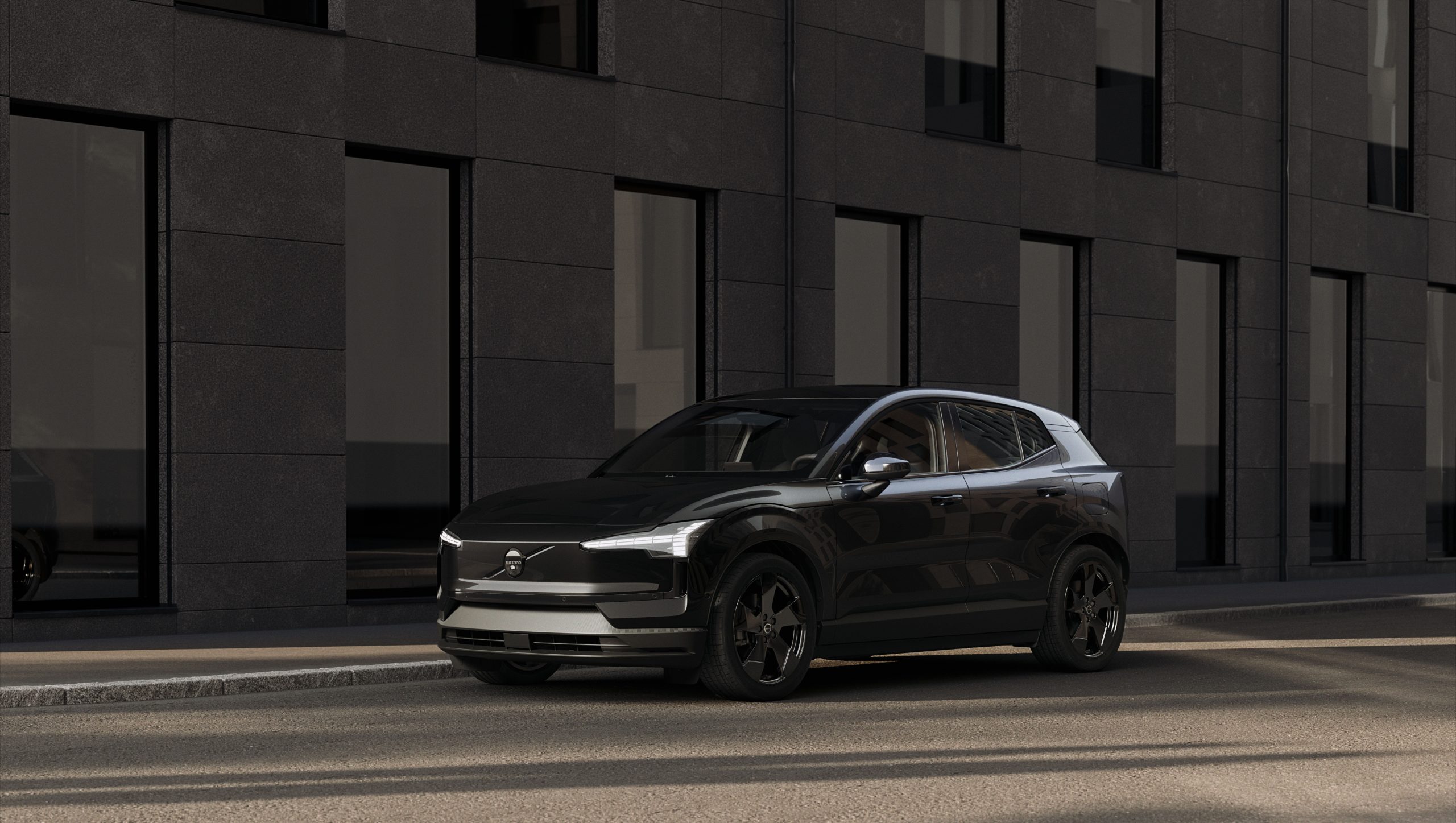
  • Volvo EX30 Black Edition arrives in the UK with a stealthy new look

    Volvo EX30 Black Edition arrives in the UK with a stealthy new look

    Volvo has given its award-winning EX30 a darker, more purposeful twist, with the launch of the EX30 Black Edition. It is available to order in the UK now, and it leans hard into the “all black” aesthetic that’s become a bit of a modern classic. 

    What makes it a “Black Edition”?

    This is not a new model, it’s a styling and trim package built around a specific look.

    You get:

    • Onyx Black metallic paint only
    • High-gloss black 19-inch wheels
    • Tinted rear windows
    • Black detailing on the front grille strikethrough, iron mark, rear Volvo script and model badge
    • Colour-matched roof spoiler and mirror covers

    It’s the sort of spec that looks subtle in photos, then properly mean in the flesh.

    Interior: Indigo, with an upcycled twist

    Inside, Volvo keeps it distinctive rather than just making everything black. The EX30 Black Edition comes with a unique Indigo interior, using studio-inspired textiles and up-cycled denim trim that’s exclusive to this version. 

    It’s a nice reminder that “sporty” can still feel premium, and not like you’re sitting in a dark cave.

    Price and versions

    In the UK, pricing starts from £40,060 for the Single Motor Plus.

    The Black Edition is offered across:

    • Single Motor Extended Range
    • Twin Motor Performance 

    And it’s available on:

    • Plus
    • Ultra trim levels

    Range, pace, and everyday EV bits that matter

    Volvo quotes up to 295.2 miles (combined) range, and in Single Motor Extended Range form it does 0–62 mph in 5.3 seconds.

    Every EX30 Black Edition also comes with a heat pump as standard, which should help keep range steadier when the temperature drops. 

    Tech and driver support

    Volvo is leaning into its safety and support tech here, with a sensor set-up that includes up to five radars, five cameras, and twelve ultrasonic sensors monitoring what’s going on around the car. 

    Key kit mentioned in the release includes:

    • Adaptive cruise control
    • Powered tailgate
    • 12.3-inch centre display
    • Air quality measurement and remote cabin air pre-cleaning 

    Why this model makes sense for Volvo

    Volvo says its Black Edition models have been popular before (starting with the XC60 Black Edition in 2023), and the EX30 is now joining a wider line-up that already includes XC90, XC60, XC40, EX40 and EC40 in Black Edition form. 

    It also helps that the EX30 already has momentum. Volvo notes it was the UK’s 10th best-selling battery electric vehicle in 2025, and expects the Black Edition’s extra visual presence to broaden its appeal further. 

    Rob Deane, Commercial Operations Director at Volvo Car UK, summed it up neatly: the EX30 looks “really striking” with the additions, and Volvo is “really pleased” to bring the Black Edition to UK buyers.


    Ben Talks Auto take

    If you like the EX30 but want it to look a bit more premium and a bit more grown-up, the Black Edition feels like an easy win. One paint choice, one interior, and lots of gloss black detail. Simple, tidy, and likely to age well.

    If I get to see one in person soon, I’ll share whether it looks as good in real life as it does on paper.

  • Chery to launch Lepas, it’s fourth car brand in the UK

    Chery to launch Lepas, it’s fourth car brand in the UK

    Lepas is landing on our radar, and the L8 already has “F-Pace vibes”

    Another new name is popping up from the Chery stable, and it’s called Lepas.

    On first glance, the Lepas L8 has a shape and stance that might make some UK drivers do a double take. From certain angles, it gives off a bit of Jaguar F-Pace energy. Not a copy, but you can see why people will compare it once the front-end details and slim lighting signatures come into view.

    And let’s be honest, the internet will have fun with this one. Jaecoo has already had plenty of “Chinese Range Rover” jokes thrown around. With Lepas leaning into a big-cat identity, expect the comment section to be fully warmed up before the first UK test drive happens.

    Still, jokes aside, Lepas looks like it’s building something very specific: stylish, tech-heavy SUVs with a clear lifestyle angle, rather than hardcore off-road bravado.

    What Lepas says it stands for

    According to Lepas, the brand is inspired by the leopard and aims to integrate speed, power, and elegance. The name is tied to the idea of “leaping” across regions and cultures, with a global outlook focused on travel experiences and an elegant, tasteful lifestyle.

    Lepas also describes itself as a global new-energy brand developed by Chery Group, with messaging built around “elegant driving” and “elegant technology”.

    A clear SUV-first strategy

    Based on what Lepas is publicly showing right now, there’s a strong lean toward SUVs.

    • The L8 is repeatedly described by Lepas as a benchmark SUV in its segment.
    • Across Lepas event coverage, the brand consistently groups L8, L6, and L4 as its core “star product” line-up.

    That tells you a lot. Lepas wants to win in the busiest part of the market first, where UK buyers are already comfortable with crossovers and family SUVs.

    Lepas L8: the flagship (and the one with the most detail)

    Lepas L8 SUV

    The L8 is positioned as the flagship model, with Lepas putting a lot of emphasis on comfort, technology, and day-to-day usability. It even uses the phrase “easy to park and user-friendly” when describing the L8’s real-world brief.

    Key dimensions (as published by Lepas)

    • Length: 4.688 m
    • Wheelbase: 2.800 m
    • Rear legroom: 0.97 m

    Design and cabin themes

    On the official L8 page, Lepas calls out styling cues like “Leopard Aesthetics”, plus a cabin pitched as an “Elegant Third Space”. You’ll also spot references to comfort touches such as air quality monitoring and an active fragrance system.

    Tech and usability

    Lepas highlights features like intelligent parking support (including Automatic Parking Assist and Remote Parking Assist in its event coverage), plus a tech-led ownership experience built around connected functions.

    Hybrid and range claims (from Lepas)

    Lepas also makes some big efficiency and range statements for the L8 when discussing its Super Hybrid tech:

    • 44.5% thermal efficiency (claimed)
    • 4.2 L/100 km fuel consumption in battery-depleted conditions (claimed) which is about 67 mpg (UK)
    • Over 100 km pure electric range (claimed) which is about 62 miles
    • Over 1,300 km combined range (claimed) which is about 808 miles

    Worth saying: these are claimed figures from the brand, so the real test will be how it performs in UK conditions and UK driving styles.

    Lepas L4: the smaller SUV aimed at younger drivers

    Lepas L4 SUV

    The L4 has less public detail than the L8 right now, but Lepas does describe its role clearly. In its own event write-up, Lepas calls the L4 “the refined ride for young drivers”.

    That reads like a smaller, city-friendly SUV designed to be stylish, accessible, and easy to live with, rather than trying to be a full-size family barge.

    The mystery one: Lepas L6 (featured, but no model page yet)

    Lepas L6 SUV

    Now to the interesting part. Lepas repeatedly references an L6 and it’s featured on the homepage of it’s international website, but at the time of writing there’s no dedicated L6 model page with specs on the official site.

    What we can say, based on Lepas’ own wording:

    • Lepas has presented L8, L6, and L4 together as its core line-up at international events.
    • Lepas explicitly refers to the debut of the all-new L6 (alongside the L4) in its overseas showcase coverage.
    • It also describes the L6 as a “Moving Up” mobile workstation for trendsetting creators, which is a very specific vibe.

    So, will the L6 make its way to the UK? Lepas hasn’t confirmed UK model plans on its own site, so we can’t state it as fact. But if the brand expands beyond a single launch model, the L6 feels like the obvious “next” candidate because it’s consistently shown as part of the main trio.

    My early take

    Right now, Lepas feels like a brand that wants to look premium, feel calming inside, and sell you a lifestyle as much as a drivetrain.

    The L8 is clearly the headline act, with the biggest claims and the most detail. The L4 looks like the younger, smaller SUV play. And the L6 is the wildcard: publicly shown, positioned with purpose, but still light on specs.

    If you’re a UK buyer, the most important questions will be the boring ones:

    • How does it ride on rough UK roads?
    • Is the cabin genuinely quiet and comfortable on a long motorway run?
    • Is the tech slick, or does it get annoying after a week?
    • How strong is the dealer and service support once it scales?

    When we get UK confirmation and proper spec sheets, we’ll know whether Lepas is just a sharp-looking new badge, or the next proper disruptor in the SUV market.

  • Polestar makes public charging simpler with Plug & Charge and Tesla Superchargers in one app

    Polestar makes public charging simpler with Plug & Charge and Tesla Superchargers in one app

    Polestar is giving its public charging offer in Europe a proper boost, with two changes that should make life easier for drivers: wider access to Plug & Charge, and full integration of Tesla Superchargers inside the Polestar Charge app.

    The headline numbers are big. Polestar says Plug & Charge is now available at over 28,000 compatible charging stations across Europe, and Polestar Charge gives access to more than 1 million public charging points in total, all in one app. 

    What is Plug & Charge, and why should you care?

    If you’ve ever stood in the rain juggling apps, RFID cards, and “payment failed” screens, Plug & Charge is the cure.

    In simple terms, it lets your car and the charger talk to each other automatically. You plug in, and billing is handled in the background. No extra steps. No tapping about on your phone while your passengers ask, “Is it working yet?”

    Polestar says Plug & Charge is included at no extra cost when using Polestar Charge, and it’s already available at close to 1,000 compatible charging stations in the UK, including networks such as IONITY and Allego. 

    Tesla Superchargers are now fully built into Polestar Charge

    This is the part that will grab a lot of attention.

    Polestar says it’s one of the first car makers to fully integrate Tesla Superchargers directly into its own charging app, so you can check availability and start a session without bouncing between apps. It claims access to over 20,000 Superchargers at more than 1,500 locations through Polestar Charge. 

    Even better, real-time Supercharger availability is also shown in the car’s Google Maps navigation, which should help route planning feel a lot more “set it and forget it”. 

    Which Polestar models get Plug & Charge?

    At the moment, Plug & Charge support depends on the car.

    Polestar says it’s available for Polestar 2 Model Year 2026 and Polestar 3, and will be rolled out to Polestar 4 via an over-the-air update. 

    If you’re not at a compatible Plug & Charge charger (or your car is waiting for the update), you can still start a session the usual way using the Polestar Charge app or charge card. 

    The bigger picture: one app, fewer headaches

    Polestar Charge is built to be a “one front door” for public charging across Europe, mixing big operators (like IONITY, Fastned and Tesla Superchargers) with local networks so you’re not stranded the moment you cross a border. 

    There’s also a subscription option, which Polestar says can unlock discounted fast charging across a large chunk of the network (over 80,000 charging points across 42 operators). User numbers are rising too: Polestar reported more than 45,000 users in 2025, up 30% from 2024. 

    What this means for UK drivers

    For UK Polestar owners (and anyone considering one on a salary sacrifice scheme or business contract hire), this is the sort of update that matters day-to-day.

    Not because it adds a new mode you’ll never use, but because it cuts out the boring friction:

    • Less app-hopping
    • Faster starts at the charger
    • More confidence that your planned stop will actually be available when you arrive

    And if you road trip into Europe, having one app that covers a massive roaming network can genuinely change the vibe of the journey.