A quick intro
The UK loves a mid-size SUV, and it loves a good value story even more. The Chery Tiggo 7 Summit PHEV turns up with a plug-in hybrid system, a long warranty, and a spec list that looks almost too generous for the money.
This is a first look, not a full road test. I have not spent enough time in this exact car yet to give a deep verdict on long-term comfort, real-world efficiency, or how it behaves after months of ownership.
Who are Chery and why should you care?
Chery is a major Chinese manufacturer with a big global footprint. In simple terms, it is not a start-up brand learning as it goes.
One credibility point that often gets missed in pub chat is the Chery Jaguar Land Rover joint venture in China. Chery and JLR have operated a 50:50 joint venture since 2012 to build Jaguar and Land Rover vehicles for the Chinese market. That does not automatically make the Tiggo 7 “a Range Rover”, yet it does show Chery has experience working to the standards expected in that world.

The headline numbers (Summit PHEV)
Here are the key claims for the plug-in hybrid model:
- 150kW system output
- 365Nm torque
- 0 to 62mph in 8.5 seconds
- Up to 56 miles electric driving
- Over 700 miles total range when fuelled and charged
- 7-year / 100,000-mile warranty
On paper, that is a strong pitch for families and company car users who want lower running costs without going full EV.
Exterior walkaround: smart, modern, not flashy
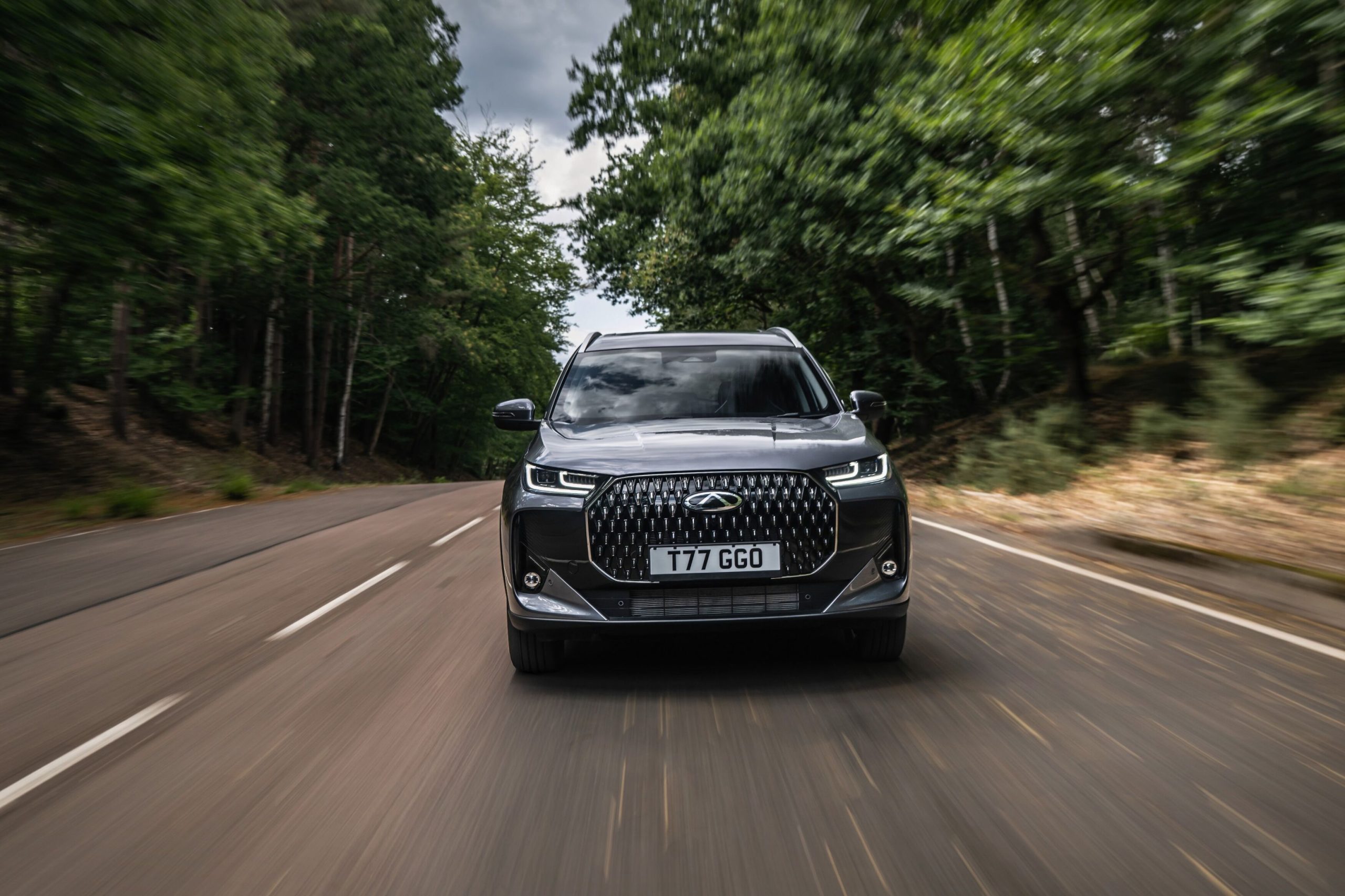
The Tiggo 7 goes for clean SUV proportions and modern lighting rather than wild styling.
My take is simple. It looks tidy and current. It does not look expensive, yet it also does not look cheap. That is exactly what a value-focused family SUV should aim for.
Size (in metres)
- Length: 4.553m
- Width: 1.862m
- Height: roughly 1.686m to 1.696m
That places it right in the centre of the family SUV sweet spot. It should feel manageable in town, while still offering proper cabin space.
Wheels and stance
Depending on trim, you will see 18 or 19-inch bright machined alloys. The Summit trim is meant to feel like the “fully loaded” option, so the styling tends to be the more eye-catching version in the range.
Boot space and practicality
This is where plug-in hybrids can be a bit of a reality check. Packaging the battery often eats into the boot.
A useful rule of thumb for the Tiggo 7 range:
- Petrol versions can be around the mid-500 litres mark
- The PHEV drops to the high-400 litres mark
In daily life, the shape matters as much as the number. If the load bay is square and the floor is sensible, it can still do the family job well. Charging cable storage also matters. You want a proper place for them so they are not rolling around with your shopping.
Interior: value car, lots of tech, mixed materials
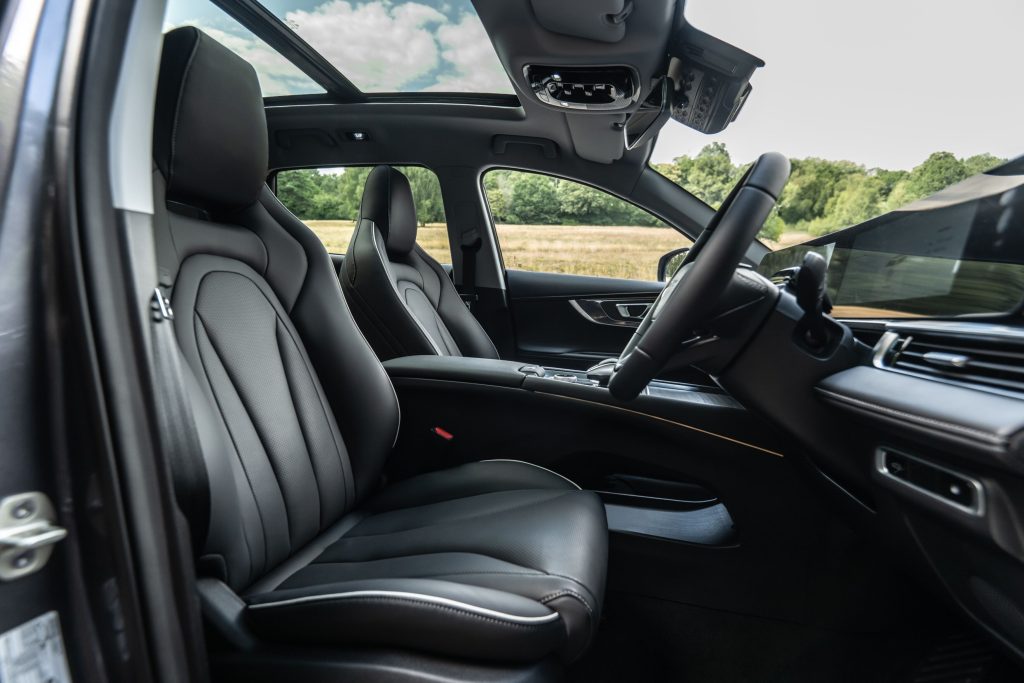
Up front, the Tiggo 7 is clearly trying to win you over with screens and features. In this class, the cabin is where people make a quick judgement.
- The layout looks modern and feels easy to understand
- The tech offer is a selling point
- The finishing is not class-leading, yet it does not scream “cheap” either
This is where expectations matter. If you go in wanting “BMW-level” touch points, you might be disappointed. If you go in wanting a practical cabin that looks fresh and does the job, it makes more sense.
Storage and day-to-day use
This is what I always check in a family SUV:
- Cupholders that fit real bottles
- Door bins that are not tiny
- Somewhere for your phone
- USB charging where people actually sit
It is boring, yet it is what you notice every single day.
Rear seats: the family test
The Tiggo 7 is built for family life, so rear space matters.
From what I have seen so far, it offers good rear room for adults, and it should suit child seats without feeling cramped. If you do a lot of school runs, it is worth checking:
- How wide the rear doors open
- Where the ISOFIX points are
- Whether your pushchair fits without a fight

Driving: first impressions only
I have not extensively tested this car yet, so I’m keeping this section measured.
The Tiggo 7 Summit PHEV feels set up for easy, relaxed driving. It is not pretending to be sporty, and that is fine. In a family SUV, most people want:
- predictable handling
- smooth progress
- an easy motorway manner
- assistance tech that reduces fatigue
The hybrid system is designed to give you that calmer “electric feel” in the right moments, with petrol there for longer trips.
When I get more seat time, I’ll be looking closely at:
- real-world electric range
- how smoothly it blends petrol and electric power
- motorway refinement
- brake feel in stop-start traffic
Rivals and my alternative pick
This is a competitive part of the market, and buyers will cross-shop plenty of options.
Natural rivals from the same family include:
- Jaecoo 7
- Omoda 9
If I’m choosing an electrified SUV on value, there is another one I’d consider.
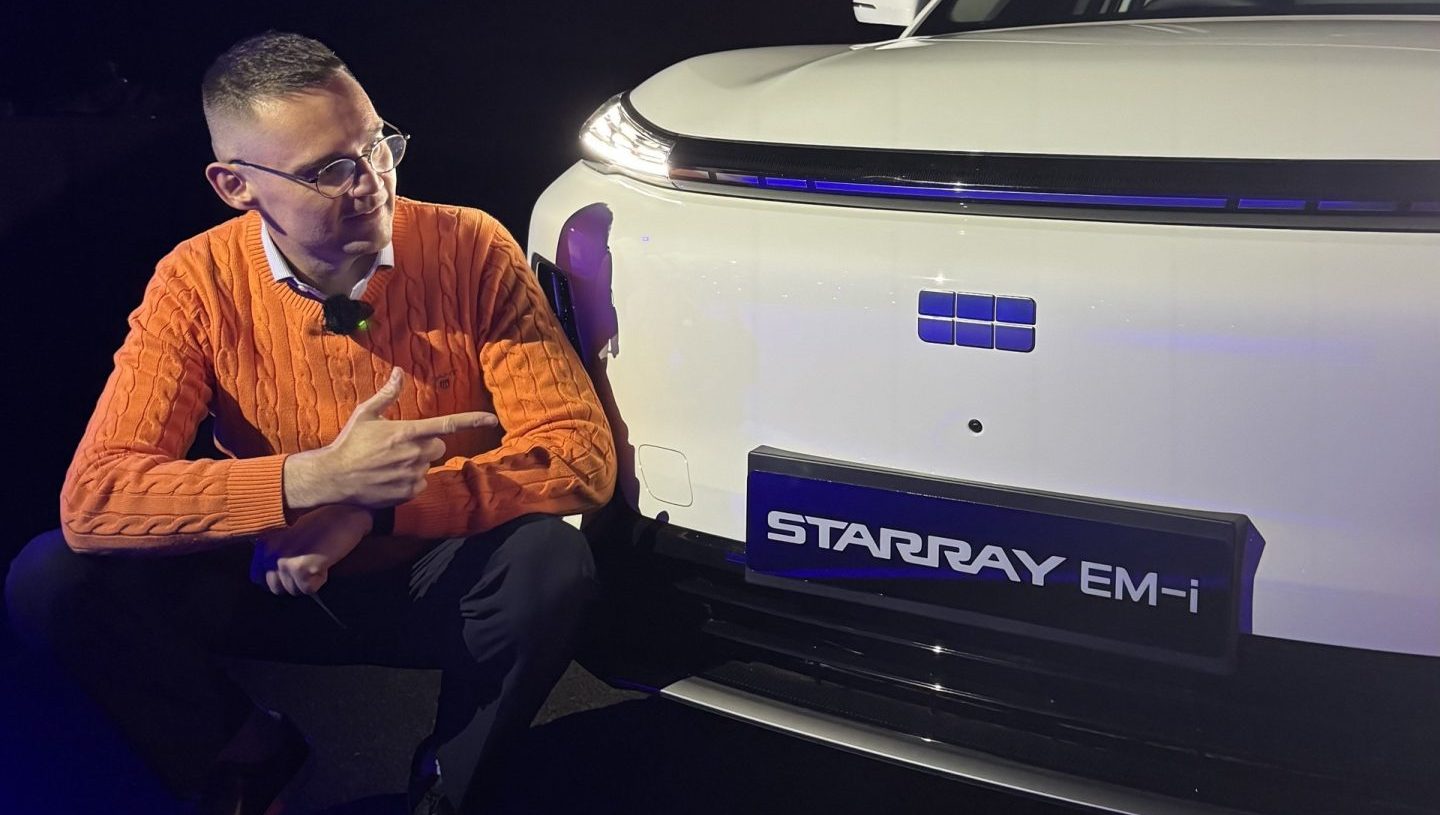
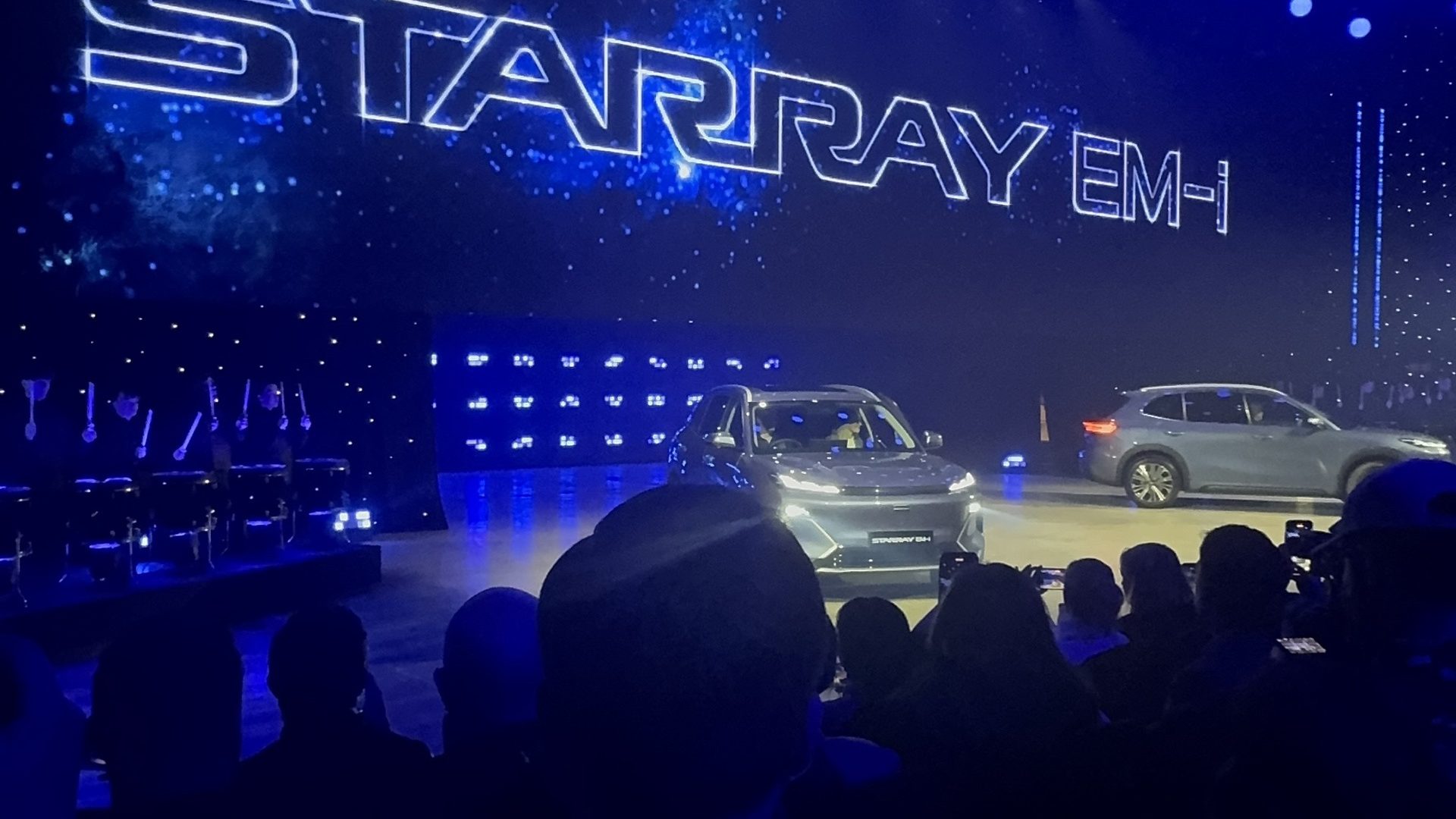
The Geely Starray EM-i is priced from £29,990 and sits in a similar “big kit for the money” space.
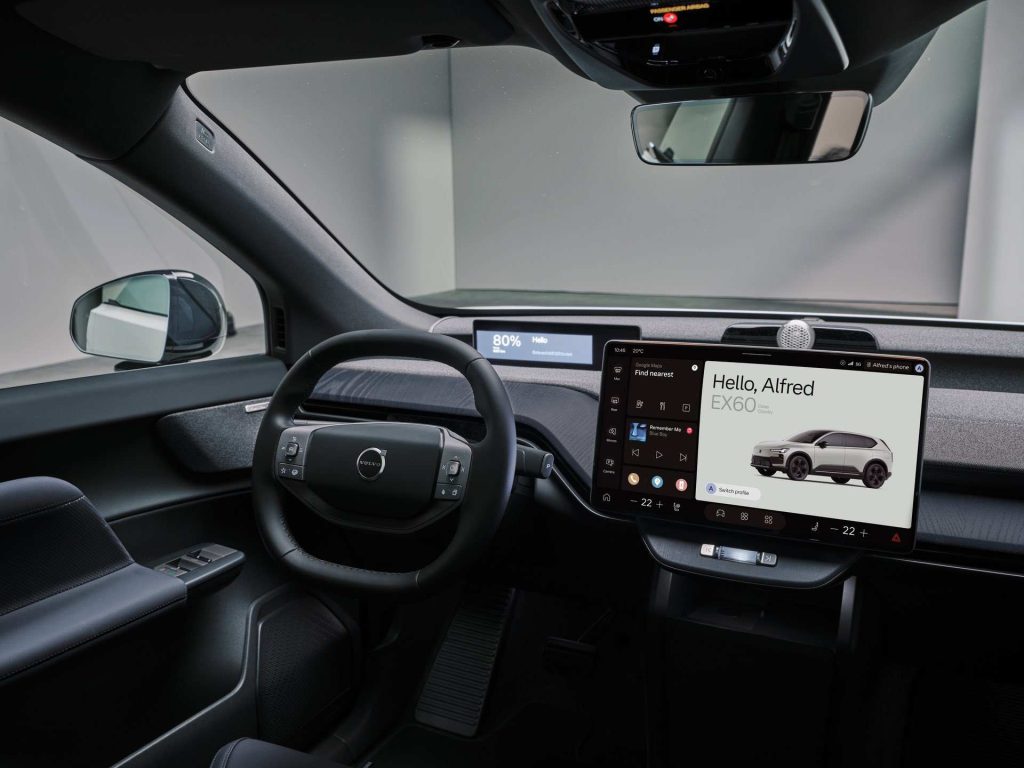
My personal view is that I would have more confidence leaning towards Geely, largely because of Geely’s links with Volvo. Geely has owned Volvo Cars since 2010, and that association tends to bring reassurance around engineering culture and long-term brand direction.
That does not mean Chery lacks credibility. The JLR joint venture point matters. It shows Chery has been building vehicles within a partnership that demands a certain level of quality and process.
So the choice becomes less about “good vs bad” and more about what gives you confidence:
- Chery: big global maker, growing UK presence, strong warranty, credible manufacturing links
- Geely: value story plus Volvo connection that may reassure cautious buyers
Who should consider the Tiggo 7 Summit PHEV?
This car makes the most sense for:
- families who want SUV space with a plug-in option
- drivers who can charge at home and do lots of short trips
- buyers who value warranty and kit over badge status
- company car users who want to explore PHEV Benefit in Kind
Summary & Star Rating
Chery Tiggo 7
Summary
The Tiggo 7 Summit PHEV looks like a solid value-led plug-in hybrid SUV with a strong spec pitch and a reassuring warranty.
It is not a luxury SUV, and it is not trying to be. The finishing is a small step behind the class leaders, yet it still presents well and does not come across as bargain-basement.