Tag: Electric

  • The new BMW i3 looks like a huge moment for BMW and I really want to see it in the flesh

    The new BMW i3 looks like a huge moment for BMW and I really want to see it in the flesh

    I have always had a soft spot for BMW.

    Partly because I just like the cars, but also because BMW has been around me for as long as I can remember. I was brought up in and around BMW dealerships, and my first proper job was as a Saturday boy working as a Dealer Host for a BMW retailer. So whenever BMW does something important, especially with the 3 Series bloodline, I pay attention.

    And this feels important.

    BMW has revealed the new all-electric i3, the second model in its Neue Klasse era, and on paper it looks like one of the most significant cars the brand has launched in years. BMW is talking about this car as a fresh take on the core of the brand, and that makes sense because the 3 Series has been one of the most solid, dependable and recognisable cars in the BMW line-up for decades. It is not just another model. For many people, it is the BMW.

    BMW i3 Neue Klasse Electric

    Why this matters

    The 3 Series has always had a difficult balancing act to pull off.

    It has needed to be sporty without being tiring, premium without feeling overblown, and sensible enough to live with every day while still giving drivers something to enjoy. That is a big part of why it has lasted so long and why so many people keep coming back to it.

    So the challenge for this new electric i3 is not just to be fast, efficient or packed with tech. It has to feel worthy of the badge and the nameplate it is following.

    That is where my curiosity really kicks in.

    Because while a lot of electric saloons now chase range, screens and straight-line pace, BMW is making a big point of saying this car still delivers the sort of driving experience people expect from a 3 Series. The company says the new i3 has been engineered around its new Heart of Joy control system, which manages the key driving functions, and it claims this will help give the car the sort of precise, assured handling BMW buyers expect.

    The headline numbers are properly big

    BMW says the new i3 will offer up to 560 miles of range under the WLTP cycle, which is a huge number if it stacks up well in the real world. It is also built around an 800-volt architecture and supports charging speeds of up to 400kW, with BMW claiming as much as 249 miles of range can be added in just 10 minutes at the right rapid charger. That would put it right up there with the most impressive EVs on sale when it arrives.

    The launch model will be the BMW i3 50 xDrive, with dual motors producing 469hp and 645Nm of torque. So no, this is not BMW easing gently into the electric future.

    BMW i3 Side Profile

    It looks like a 3 Series, but from the future

    That is probably what I find most interesting about it visually.

    BMW says the new i3 is instantly recognisable as a 3 Series, and I can see what it means. The proportions still feel familiar for a BMW saloon, but the details are much cleaner, more dramatic and far more modern. There is a new shark-nose front end, a fresh take on the kidney grille, a coupe-like roofline, flush door handles and a much more stripped-back overall shape. It looks less busy than a lot of current BMWs, and for me that is no bad thing.

    I also quite like the fact that BMW has not simply turned this into another crossover. The industry is full of electric SUVs already. There is something reassuring about BMW still believing a sleek saloon can sit at the heart of the brand.

    BMW i3 Interior

    Inside, BMW is going all in on the next generation feel

    The cabin sounds like a major departure from what we know today. BMW says the new i3 gets its Panoramic iDrive set-up with a wide windscreen display, a large central touchscreen, a new steering wheel and Operating System X. The whole idea is to make it feel cleaner, more intuitive and more driver-focused. BMW is also using more recycled materials, including seat trim made from 100 per cent recycled polyester.

    That all sounds promising, although I will be honest, this is exactly why I want to see the car in the flesh.

    BMW interiors can look fantastic in photos and on a spec sheet, but the real test is how it all feels when you sit in it. Does it still feel special? Does it still feel driver-focused? Does it still feel like a BMW? Those things matter just as much as the technical headline figures.

    BMW i3 Interior Back Seats

    I am especially interested to see whether it still has that 3 Series magic

    That is the big question for me.

    The 3 Series has never just been about performance numbers. It has always been about the way the whole car comes together. The seating position. The steering. The sense that it shrinks around you once you are on the move. The feeling that it can handle the daily grind and still make a back road feel worthwhile.

    BMW clearly knows that, because the language in this announcement leans heavily on driving pleasure, driver orientation and the long-standing appeal of the 3 Series. That tells me they know exactly how much is riding on this car.

    BMW i3 Rear

    When is it coming?

    BMW says production of the new i3 will begin in August 2026, with first UK customer deliveries expected in autumn 2026. Pricing and full UK specification are still to be confirmed.

    My take

    On paper, this looks like a very serious car.

    The range claim is massive. The charging speeds are impressive. The performance is strong. And perhaps most importantly, BMW is not trying to pretend this is just a gadget on wheels. It is trying to make the electric i3 feel like a genuine continuation of everything people have loved about the 3 Series for years.

    As someone who has been around BMW from a young age, and who still sees the 3 Series as one of the brand’s defining cars, I find that genuinely exciting.

    Now I just want to see it in the flesh.

    Because this is one of those cars where the details, the stance and the atmosphere are going to matter just as much as the spec sheet. And if BMW has got this right, the new i3 could end up being one of the most important electric cars the brand has ever launched.

  • Changan Deepal S05: the £38k electric SUV that wants to take on the Elroq (and more)

    Changan Deepal S05: the £38k electric SUV that wants to take on the Elroq (and more)

    Changan is back with another Deepal for the UK, and this one looks aimed right at what loads of people are shopping for in 2026: a compact electric SUV with decent range, punchy performance, fast charging, and a price that stays (just about) sensible.

    It’s called the Deepal S05, and it follows the Deepal S07, which was Changan’s first big step into the UK market.

    The basics: price, power, range

    You get two versions:

    • RWD from £37,990
    • AWD from £39,995

    The S05 sits in a seriously busy part of the market, with rivals including the Skoda Elroq and Kia EV3.

    Both versions use a 68.8kWh LFP battery, with claimed range of:

    • Up to 303 miles (RWD, WLTP)
    • Up to 278 miles (AWD, WLTP)

    Charging is rated at up to 200kW DC, with claims of a rapid top-up in roughly 15 minutes from 30% to 80% on a suitable charger.

    Why the AWD model looks like the headline act

    If you want the quicker one, it’s the AWD:

    • 0 to 62mph in 5.5 seconds
    • 112mph top speed

    That’s properly lively for something pitched as a family SUV. Not a hot hatch replacement, but it should feel quick enough to keep you smiling.

    Interior and usability: the bit I want to test for myself

    The cabin sounds like it’s going for that clean, modern, tech-first vibe. The headline feature is a big 15.4-inch central touchscreen, and it can tilt to help reduce glare.

    My big question is the same one I have with a lot of new cars: how much of the everyday stuff gets buried in menus? On paper it looks smart. In real life, it can make or break the experience.

    Space and practicality

    Storage looks strong for a compact SUV:

    • 492-litre boot
    • 159-litre frunk (front boot)
    • Loads of cabin storage (handy for cables, bottles, and all the usual life clutter)

    I haven’t driven the S05 yet

    I haven’t had seat time in the S05 so far, but I’m hoping to get behind the wheel in the next couple of months. When I do, I’ll be focusing on:

    • Ride comfort on rough UK roads
    • Real-world efficiency and motorway range
    • Whether the infotainment is slick or a constant faff
    • How the AWD system feels in normal driving, not just perfect conditions

    Want a Changan Deepal fix right now?

    I recently reviewed the Changan Deepal S07 on the Rivervale YouTube channel. If you want a feel for how Changan does design, cabin ambience and tech, that video is a good place to start.

    If you’re thinking about one on a personal or business lease, keep an eye on the S05 as it lands. And if you want to compare it against what you can lease right now, you can browse current electric SUV deals through Rivervale.

  • Renault 4 E-Tech Electric Car Review

    Renault 4 E-Tech Electric Car Review

    The Renault 4 is one of those names that means something. The original was built to be simple, tough, and useful. Not a fashion item, just a car that got on with life.

    Renault’s new Renault 4 E-Tech electric keeps that spirit, but wraps it in a modern EV package that feels aimed at people who like the Renault 5 E-Tech’s style, but want something more practical. 

    It sits on Renault’s small EV platform, it has a slightly taller stance than the 5, and it brings a big headline for family life: a 420-litre boot. That’s a strong number for a car in this size bracket, and it immediately tells you what the Renault 4 is here to do. 

    So, is it just a Renault 5 with a different coat on, or is it a properly useful little electric car in its own right?

    Quick spec highlights

    • Battery: 52kWh 
    • Power: up to 150hp
    • Range: up to 249 miles (WLTP)
    • DC rapid charging: up to 100kW, 15–80% in around 30 minutes
    • Boot: 420 litres (and up to 1,405 litres with seats folded) 

    Design and road presence

    Renault has absolutely leaned into the nostalgia, but without making it feel like a costume.

    Up front, the lighting is the star. The Renault 4 has a really distinctive face, with a modern light signature that gives it instant recognition at night, and it feels like Renault is building a proper identity across its new electric range. 

    From the side, it’s clear this is the “more practical” choice next to the Renault 5. It has a slightly tougher, more upright look and a bit more visual bulk, but it still feels compact enough for UK roads and car parks.

    There are also some nice little nods to the original Renault 4’s shape, including the rear quarter window detail that immediately gives it that classic silhouette, but modernised.

    At the rear, it stays clean and simple, and it looks like a car designed to be used rather than just admired. Which is exactly what the Renault 4 badge should stand for.

    Interior and infotainment

    Renault’s recent interiors have been a pleasant surprise, and the Renault 4 continues that run.

    You get Renault’s OpenR Link set-up with a 10.1-inch central touchscreen across the range, and depending on trim, you can have Google built-in for proper integrated navigation and apps. 

    The best bit is usability.

    Renault hasn’t buried everything in touch menus, so it still feels like a car you can jump into and just get on with. If you spend a lot of time in traffic or doing school runs, that matters more than people admit.

    Sound system wise, it’s strong for a standard set-up. It’s not the best you’ll ever hear, but it’s clearly better than plenty of default systems in this class.

    Space and practicality

    This is where the Renault 4 makes its strongest case.

    That 420-litre boot is not just a headline number. Renault has also focused on the details that make it easier to live with, like an easy-to-load shape and a low loading height. 

    You also get space under the boot floor for charging cables, which helps keep the main boot area clean and usable. 

    Fold the rear seats and you can expand the load space to up to 1,405 litres, which is more than enough for bikes, tip runs, flat-pack furniture, or a family weekend away without playing luggage Jenga. 

    Up front, the cabin has a practical feel too, with plenty of storage and a layout that suits daily driving rather than showing off.

    In the back, it’s not huge, but it’s noticeably more forgiving than a smaller supermini-style EV. If you regularly have adults in the rear, or you’re dealing with child seats, this is the version of Renault’s retro EV idea that makes more sense.

    Driving impressions

    This section is always personal, but on paper the Renault 4 is set up to feel lively rather than lazy.

    With up to 150hp, it has enough shove for town driving and quick A-road bursts, and it should feel brisk without being “hot hatch” intense. 

    The spec also leans into making EV driving easier:

    • One Pedal driving is available from certain trims, designed to make stop-start driving smoother and less tiring. 
    • Driver assistance features and cruise control options vary by trim, but the aim is clearly “easy daily use” rather than gimmicks. 

    In corners, the Renault 4 should feel tidy and confidence-inspiring for what it is. It’s not trying to be a sports car. It’s trying to feel light, friendly, and predictable. That’s what most people actually want.

    Range and charging

    The Renault 4’s core UK set-up is a 52kWh battery with a quoted range up to 249 miles (WLTP). 

    Real-world range will always depend on temperature, speed, wheels, and how heavy your right foot is, but on paper it sits in a sweet spot for a UK family EV. It’s enough for commuting and local life with plenty of buffer, and it can handle longer trips if you’re happy to rapid charge.

    Charging is solid for the segment:

    • Up to 100kW DC rapid charging
    • Renault quotes 15–80% in around 30 minutes on a suitable rapid charger 

    That’s the kind of charging performance that makes “day trip EV” life feel simple, rather than stressful.

    Trims, pricing, and which one to buy

    Renault keeps the line-up straightforward with three trims:

    • evolution
    • techno
    • iconic

    UK pricing starts from £26,995 OTR for evolution, rising to £28,995 for techno and £30,995 for iconic. On a Personal Contract Hire lease agreement, the deals are pretty strong with monthly payments from around £275 per month (Feb 2026) with Rivervale.

    Which one makes most sense?

    For most people, techno will likely be the sweet spot. It tends to be the trim where you get the best blend of the “nice-to-have” tech without the full price jump into the top version. 

    If you want a simpler spec and you just care about the core EV experience, the entry trim will still appeal, especially with that practical shape and boot doing the heavy lifting.

    If you want all the comfort extras, stronger driver assistance, and the most premium feel, iconic is the one to go for, but it depends how much you value those upgrades.

    Rivals and where it fits

    The Renault 4’s best comparison is actually inside Renault’s own showroom.

    If you love the idea of a retro Renault EV, the choice is basically:

    • Renault 5 E-Tech: style-first, supermini vibe
    • Renault 4 E-Tech: more space, more boot, more everyday flexibility 

    Outside of Renault, you’re looking at small electric crossovers and compact EVs that try to balance city-friendly size with family-friendly practicality. The Renault 4’s advantage is that it doesn’t feel generic. It has personality, and the boot space gives it a clear reason to exist.

    Verdict

    The new Renault 4 E-Tech electric gets the brief right.

    It looks interesting, it feels like part of Renault’s confident new era, and it offers something the Renault 5 can’t: proper practicality, led by that 420-litre boot and a more usable everyday shape. 

    It also hits a sensible balance on EV fundamentals: up to 249 miles of quoted range, 100kW rapid charging, and a power output that should feel punchy without being over the top. 

    If you want an electric car that feels modern, has character, and still works for normal life, the Renault 4 is a very easy one to recommend.

    Renault 4

    Ben Freakley

    Performance: How quick it feels day to day. Power, throttle response and smoothness.
    Handling: How it corners and how stable it feels on different roads.
    Comfort: Ride quality, seating, refinement and road noise.
    Tech and Infotainment: Screens, CarPlay, clarity, speed, app controls, driver aids.
    Ease of Use: How simple the cockpit is. Buttons vs touch. Clear menus. Good ergonomics.
    Space and Practicality: Boot size, rear room, storage, access, visibility.
    Running Costs: Real world range, charging speed, fuel use, tax, servicing.
    Build Quality: Materials, fit and finish, how solid it feels inside.
    Value for Money: How much car you get for the price.

    Summary

    The Renault 4 E-Tech is another retro-inspired electric hatch that doesn’t compromise modern usability.

    It handles extremely well and has all the toys you’d want. The rear seats are a little tighter than I expected. The battery size limits heavy motorway use, but as a useable everyday car this is a great option.

    If you’re in the market for an EV that stands out, is easy to live with and offers strong tech, this is a very compelling option. I give it 4.4 out of 5 stars.

    4.4

    Frequently Asked Questions About the Renault 4 E-Tech

    What is the Renault 4 E-Tech electric?

    It’s Renault’s new small electric crossover-inspired hatch that revives the Renault 4 name, with modern EV tech and a focus on everyday practicality.

    What is the range of the Renault 4 E-Tech?

    Renault quotes up to 249 miles (WLTP) for the UK model with the 52kWh battery.

    How fast can it charge?

    It supports up to 100kW DC rapid charging, with a quoted 15–80% charge in around 30 minutes on a suitable rapid charger.

    How big is the boot?

    The boot is 420 litres, expanding to up to 1,405 litres with the rear seats folded.

    What trims are available in the UK?

    There are currently three spec/trim levels available: evolution, techno, and iconic.

    How much does the Renault 4 E-Tech cost in the UK?

    Prices start from £26,995 OTR, with techno at £28,995 and iconic at £30,995.

    Can you get a lease deal on a Renault 4 E-Tech?

    Yes. It’s available on either a personal or business lease deal from car leasing brokers like Rivervale.

    Is it better than the Renault 5 E-Tech?

    If you want the most style-led, compact option, the Renault 5 is the one. If you want more boot space and an easier day-to-day shape, the Renault 4 makes more sense.

    Does it have Sat Nav built in?

    Depending on trim, you can have OpenR Link with Google built-in for navigation and apps.

  • Polestar makes public charging simpler with Plug & Charge and Tesla Superchargers in one app

    Polestar makes public charging simpler with Plug & Charge and Tesla Superchargers in one app

    Polestar is giving its public charging offer in Europe a proper boost, with two changes that should make life easier for drivers: wider access to Plug & Charge, and full integration of Tesla Superchargers inside the Polestar Charge app.

    The headline numbers are big. Polestar says Plug & Charge is now available at over 28,000 compatible charging stations across Europe, and Polestar Charge gives access to more than 1 million public charging points in total, all in one app. 

    What is Plug & Charge, and why should you care?

    If you’ve ever stood in the rain juggling apps, RFID cards, and “payment failed” screens, Plug & Charge is the cure.

    In simple terms, it lets your car and the charger talk to each other automatically. You plug in, and billing is handled in the background. No extra steps. No tapping about on your phone while your passengers ask, “Is it working yet?”

    Polestar says Plug & Charge is included at no extra cost when using Polestar Charge, and it’s already available at close to 1,000 compatible charging stations in the UK, including networks such as IONITY and Allego. 

    Tesla Superchargers are now fully built into Polestar Charge

    This is the part that will grab a lot of attention.

    Polestar says it’s one of the first car makers to fully integrate Tesla Superchargers directly into its own charging app, so you can check availability and start a session without bouncing between apps. It claims access to over 20,000 Superchargers at more than 1,500 locations through Polestar Charge. 

    Even better, real-time Supercharger availability is also shown in the car’s Google Maps navigation, which should help route planning feel a lot more “set it and forget it”. 

    Which Polestar models get Plug & Charge?

    At the moment, Plug & Charge support depends on the car.

    Polestar says it’s available for Polestar 2 Model Year 2026 and Polestar 3, and will be rolled out to Polestar 4 via an over-the-air update. 

    If you’re not at a compatible Plug & Charge charger (or your car is waiting for the update), you can still start a session the usual way using the Polestar Charge app or charge card. 

    The bigger picture: one app, fewer headaches

    Polestar Charge is built to be a “one front door” for public charging across Europe, mixing big operators (like IONITY, Fastned and Tesla Superchargers) with local networks so you’re not stranded the moment you cross a border. 

    There’s also a subscription option, which Polestar says can unlock discounted fast charging across a large chunk of the network (over 80,000 charging points across 42 operators). User numbers are rising too: Polestar reported more than 45,000 users in 2025, up 30% from 2024. 

    What this means for UK drivers

    For UK Polestar owners (and anyone considering one on a salary sacrifice scheme or business contract hire), this is the sort of update that matters day-to-day.

    Not because it adds a new mode you’ll never use, but because it cuts out the boring friction:

    • Less app-hopping
    • Faster starts at the charger
    • More confidence that your planned stop will actually be available when you arrive

    And if you road trip into Europe, having one app that covers a massive roaming network can genuinely change the vibe of the journey.

  • Nissan’s solar-powered Ariya concept: can your EV really “charge itself” in the sun?

    Nissan’s solar-powered Ariya concept: can your EV really “charge itself” in the sun?

    Nissan has revealed a solar-powered Ariya concept that bakes solar panels into the car’s bodywork, aiming to top up the battery whenever it’s parked or driving in daylight. It’s not a full replacement for plugging in, but it could shave off a surprising amount of charging over time. 

    This concept was shown for Clean Energy Day (26 January 2026) and was developed by Nissan teams in Dubai and Barcelona.


    What Nissan has built (and why it’s interesting)

    The headline is the solar hardware.

    Nissan has integrated 3.8m² of high-efficiency photovoltaic panels across the bonnet, roof and tailgate. Those panels convert sunlight straight into DC power, managed by a controller designed to squeeze the most out of whatever light is available. 

    If you’ve ever thought, “My car sits outside all day, why can’t it just soak up energy while I’m at work?”, this is Nissan exploring that exact idea.


    The numbers that matter

    Nissan says real-world testing showed:

    • Up to 14 miles of extra range per day in ideal sunny conditions 
    • Average “solar driving range” examples by city:
      • London: about 6 miles per day 
      • Barcelona: about 11 miles per day 
      • New Delhi: about 12 miles per day 
      • Dubai: about 13 miles per day 

    Nissan also claims drivers could reduce charging frequency by 35% to 65%, depending on how and where they drive. 

    And there’s a neat “journey example” too:

    • Over a two-hour, 50 miles drive, the system could generate 0.5 kWh, adding around 2 miles of range. 

    DRIVING ON SUNSHINE: Nissan Celebrates Clean Energy Day With A Solar‑Powered Ariya Concept

    What this would mean in everyday UK life

    Let’s be honest. The UK is not Dubai.

    But even Nissan’s own London estimate (around 6 miles a day on average) could be meaningful if:

    • You do short trips most days
    • Your car lives on a driveway or street, not in a multi-storey
    • You can’t always be bothered to plug in after every run

    It’s also the kind of tech that could help people who do not have easy access to home charging. If your nearest public charger is a faff, any “free” miles you get from daylight are miles you do not need to buy back later. 


    The Lightyear link (and why Nissan partnering makes sense)

    Nissan says the concept grew into a collaboration with Lightyear, the Dutch solar-mobility firm, supplying the next-generation panel tech used on the car. 

    That’s interesting timing, because Lightyear has shifted away from building its own solar cars and has talked about focusing on supplying solar tech to other manufacturers. Nissan doing a concept like this is exactly the sort of “big OEM meets specialist tech” path you’d expect to see. 


    How big is this versus the Ariya’s normal range?

    In standard form, the Nissan Ariya in the UK is sold with ranges quoted up to 329 miles (WLTP, depending on version). 

    So solar is not about adding hundreds of miles.

    It’s about:

    • Trimming top-ups
    • Stretching a charge a bit further
    • Making ownership easier in the real world

    Is it coming to showrooms?

    Nissan is calling this an “Ariya concept”. So treat it as a technology showcase, not a confirmed production model. 

    Still, it shows where things could go. If this becomes affordable and durable enough (and looks tidy on the car), solar could become a proper “background helper” feature on mainstream

    For now, you can explore the current Nissan Ariya and find out how much it might cost you on a personal or business lease on the latest deal at Rivervale.


    I love the idea of an EV that quietly earns you miles while you’re living your life.

    In the UK, it won’t replace plugging in. But if you can pick up a few miles a day just by parking in daylight, that’s the kind of small win that starts to add up across a year.

    And if Nissan can make it slick, robust, and not wildly expensive, it’s exactly the sort of feature that could nudge fence-sitters into EV ownership.

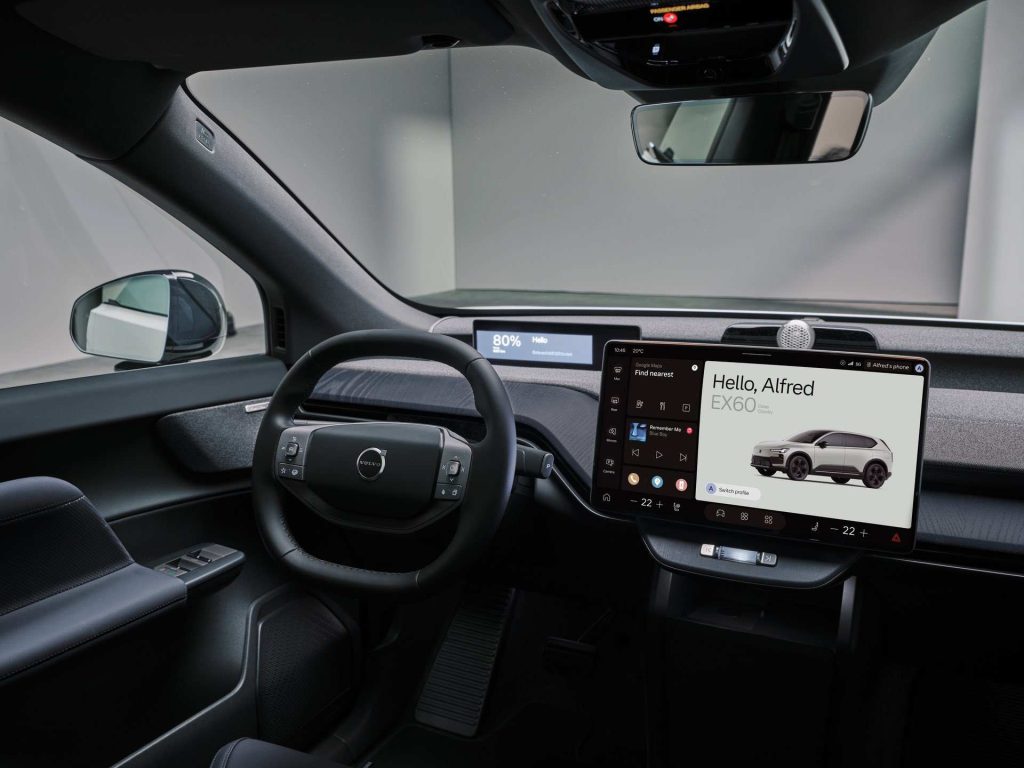
  • Volvo EX60: Everything We Know About Volvo’s Game-Changing Electric SUV

    Volvo EX60: Everything We Know About Volvo’s Game-Changing Electric SUV

    Volvo has revealed one of its most important cars in years. The all-new Volvo EX60 is a fully electric, premium mid-size SUV designed to sit at the heart of the UK family car market and, on paper at least, it looks like a serious statement of intent.

    This is not just another electric SUV. Volvo says the EX60 sets new standards for range, charging speed, safety and in-car technology, while also being the brand’s first fully electric model in the premium mid-size SUV segment. That matters, because it is a space already dominated by cars like the Tesla Model Y, BMW iX3 and Audi Q6 e-tron.

    Having followed Volvo’s electric push closely over the last few years, this is one I am genuinely excited to see in the flesh. If it lives up to the figures and technology promised, it could be one of the most compelling EVs to arrive in the UK in 2026.


    What Is the Volvo EX60?

    The Volvo EX60 is a five-seat, all-electric SUV built from the ground up as an EV. It is not an adapted petrol car or a stop-gap model. Volvo describes it as “born electric”, using an all-new platform and software architecture designed specifically for the next generation of electric cars join-us-for-the-reveal-of-the-n….

    Positioned below the larger EX90 and above the compact EX30, the EX60 is expected to become one of Volvo’s biggest sellers globally. For UK buyers, it lands right in the sweet spot for family use, company cars and salary sacrifice schemes.


    Electric Range That Redefines Expectations

    One of the headline figures is the EX60’s claimed driving range. Volvo states that the long-range all-wheel drive version can travel up to 503 miles on a single charge under WLTP testing.

    That figure puts it ahead of any electric Volvo to date and places it among the longest-range electric SUVs currently announced. Even allowing for real-world UK driving, motorway speeds and winter conditions, that suggests a car capable of comfortably covering long distances without constant charging stops.

    Other versions offer slightly lower but still very competitive ranges:

    • Up to 410 miles for the P10 all-wheel drive variant
    • Up to 385 miles for the rear-wheel drive P6 model

    For UK drivers regularly doing motorway miles, that kind of range could be transformative.


    Ultra-Fast Charging for Real-World Driving

    Range alone is only half the story. Charging speed is where the EX60 really stands out.

    Using a 400 kW DC fast charger, Volvo says the EX60 can add up to 211 miles of range in just ten minutesthe-car-that-changes-the-game-m…. That is roughly the time it takes to grab a coffee on a motorway stop, and it brings EV charging much closer to the convenience of refuelling a petrol or diesel car.

    This capability comes from a new 800-volt electrical architecture, advanced battery management software and cell-to-body battery construction, all of which improve efficiency and reduce heat build-up during rapid charging.

    For UK drivers reliant on public charging networks, especially on longer journeys, this could be a genuine game changer.


    New SPA3 Platform and Next-Generation Engineering

    Under the skin, the EX60 is the first Volvo to sit on the brand’s new SPA3 electric vehicle architecture. This platform introduces several key technologies:

    • Cell-to-body battery integration, improving rigidity and efficiency
    • Mega casting, replacing hundreds of parts with single large castings to reduce weight
    • New in-house developed electric motors
    • Improved aerodynamics, with a claimed drag coefficient of 0.26

    Volvo says this combination allows the EX60 to match the real-world usability of petrol cars while delivering lower emissions and improved sustainability.


    Scandinavian Design With Purpose

    Design remains a strong Volvo selling point, and the EX60 continues that theme.

    The exterior blends a low front end, sloping roofline and clean surfaces to maximise aerodynamic efficiency. Inside, Volvo promises a calm, high-quality cabin using natural and sustainable materials, with a flat floor and long wheelbase creating generous rear legroom and a large boot.

    This is very much a family-focused interior, but one that still aims to feel premium and thoughtfully designed rather than overly minimal or tech-heavy.


    A Volvo You Can Talk To Naturally

    The EX60 is also Volvo’s most technologically advanced car to date.

    It is the first Volvo to launch with Google Gemini, a new AI assistant that allows natural, conversational voice control. Rather than learning fixed commands, drivers can speak normally to manage navigation, media, climate control and even more complex tasks like checking calendar details or planning trips.

    This system runs on Volvo’s new HuginCore computing platform, supported by NVIDIA and Qualcomm hardware, giving the EX60 the fastest and most responsive infotainment system Volvo has ever produced.

    For drivers frustrated by laggy screens or unreliable voice assistants, this could be a big step forward.


    Safety Still Comes First

    As you would expect from Volvo, safety is a core part of the EX60 story.

    The car uses an advanced sensor suite and continuous data processing to constantly assess its surroundings. A strengthened safety cage, new adaptive seatbelt technology and advanced driver assistance systems are designed to go beyond current regulatory requirements.

    Crucially, the EX60 is designed to improve over time through regular over-the-air updates, learning from real-world data gathered across Volvo’s global fleet.


    Volvo EX60 Cross Country: Built to Go Further

    Alongside the standard EX60, Volvo has also previewed the EX60 Cross Country.

    This version brings classic Cross Country cues, including a tougher exterior look, unique wheels, skid plates and increased ride height. It sits 20 mm higher than the standard EX60, with air suspension allowing a further 20 mm of lift when needed.

    It is aimed at drivers who want extra capability for rough roads, poor weather or light off-road use, without sacrificing electric range or refinement.


    UK Pricing and Availability

    Volvo has not yet confirmed UK pricing, but the EX60 is positioned as a premium mid-size SUV. Based on current market positioning, expect prices to start in the region of £55,000 to £60,000, rising with higher-spec and long-range versions.

    Production is scheduled to begin in Sweden in 2026, with European deliveries starting shortly afterwards. UK availability is expected to follow soon after initial European launches.


    Why the EX60 Could Be a Big Deal

    On paper, the Volvo EX60 ticks a huge number of boxes for UK drivers.

    • A realistic long-distance electric range.
    • Genuinely fast charging.
    • A practical family-friendly interior.
    • Strong safety credentials.
    • And technology that aims to make life easier, not more complicated.

    I am genuinely excited to see the EX60 in the metal and, hopefully, to get behind the wheel when it arrives in the UK. If Volvo can deliver the real-world performance promised here, this could be one of the most important electric SUVs of the next few years.

    A full road test will tell the real story, and I am very much hoping to be able to drive one and bring you a complete review as soon as UK cars become available.

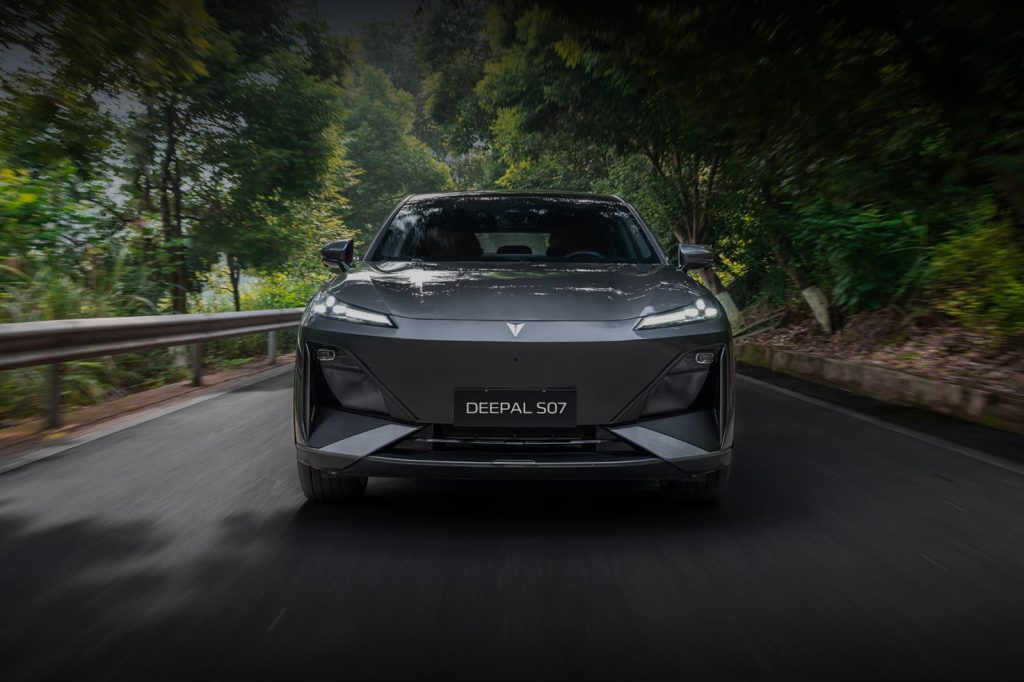
  • Changan Deepal S07 Review

    Changan Deepal S07 Review

    Comfort first, tech-led, but not one for keen drivers

    I had the Changan Deepal S07 for a few days, and it left a strong impression. Not because it thrilled me behind the wheel, but because it shows just how far Chinese EV brands have come in a short space of time. This is a car that puts comfort, tech and ease of use front and centre. If you like a relaxed drive and a calm cabin, it does a lot very well. If you love the feel of driving, this may not quite land.

    Quick facts at a glance

    • Price: £39,990 OTR
    • Battery: 79.97kWh
    • Power: 160kW (218hp)
    • Range: up to 295 miles
    • 0 to 60mph: 7.9 seconds
    • Drive: Rear wheel drive
    • Towing capacity: 1,500kg
    • Boot: 510 litres
    • Frunk: 125 litres

    First impressions and design

    I think the Deepal S07 looks smart. It has a clean, modern shape with a coupe-SUV silhouette that feels right on trend without trying too hard. The sculpted lines, fastback rear and flush door handles give it a sleek, premium feel.

    The full-width LED light bar front and rear looks great at night and gives the car a distinctive face. The star-inspired paint colours are a nice touch too. Sunset Orange and Nebula Green really stand out, while Comet White and Eclipse Black keep things more subtle.

    You also get a lot of choice without paying extra.

    • Five exterior colours
    • Three interior trims
    • 19 or 20 inch wheels

    All included as standard, which is refreshing.

    Interior and comfort

    Step inside and this is where the S07 really shines.

    The cabin feels airy, modern and well finished. Materials are soft to the touch, the design is clean, and nothing feels cheap. It punches above its price point in terms of perceived quality.

    The panoramic glass roof floods the cabin with light, and the electric sunshade keeps things comfortable on bright days. Ambient lighting and the various cabin modes make it feel more like a lounge than a traditional car interior.

    However, the seats are a mixed bag.

    They are heated and ventilated, electrically adjustable, and very comfortable at first. But they feel more like a sofa than a supportive driving seat. There is no under-thigh tilt adjustment, which I really missed. On shorter journeys they are lovely. On a long motorway run, I am not convinced they would offer enough support.

    If you value comfort over cornering confidence, you will probably love them. If you like to feel held in place, you might not.

    Technology and infotainment

    Tech is clearly a big focus here.

    The 15.6 inch rotating touchscreen is a real talking point. It can swivel towards the driver or passenger, and it looks sharp and responsive. Wireless Apple CarPlay and Android Auto are standard, which is essential these days.

    The AR head-up display replaces a traditional instrument cluster, projecting speed, navigation and safety info directly onto the windscreen. Once you get used to it, it works well and keeps your eyes up and on the road.

    Other highlights include:

    • 40W wireless phone charging
    • 14-speaker premium sound system
    • 360 degree camera with transparent chassis view
    • Multifunction rear touchscreen
    • Bluetooth phone key

    There are also loads of novelty but useful modes like nap mode, camping mode, car wash mode and even pet detection. Some will use them daily, others will try them once and smile, but it all adds to the sense of a tech-forward car.

    One downside is that some system elements are not fully localised, and parts of the adaptive cruise and menus do not yet feel completely polished for UK use.

    On the road

    This is where the S07 shows its character, and where opinions will split.

    It is very easy to drive. Steering is light, visibility is good, and everything feels calm and predictable. Around town and on the motorway it is effortless. Adaptive cruise control, lane assistance and driver aids take the stress out of longer journeys.

    But it feels floaty.

    The best way I can describe it is that it feels less like driving a car and more like steering a very good computer game. The steering is accurate, but numb. The suspension prioritises comfort, but there is a softness that removes road feel entirely.

    If you are after a driver’s car, this is not it. There is no sense of engagement or feedback. You point it where you want to go, and it goes there, quietly and competently.

    For many buyers, that will be exactly the point.

    Performance and efficiency

    With 218hp and a 0 to 60 time of 7.9 seconds, it is quick enough for everyday driving. It never feels slow, but it never feels sporty either.

    The claimed 295 mile range is competitive for the class, and the large battery should make it a strong long-distance cruiser, especially with its comfortable ride and quiet cabin.

    This feels like a car designed to make EV ownership easy, not exciting.

    Space and practicality

    The S07 is a big car, and it uses its space well.

    • Rear legroom is generous thanks to the long wheelbase
    • The boot is a useful 510 litres
    • The frunk adds another 125 litres
    • Rear seats fold 60:40

    It would work well for families, company car drivers, or anyone needing space without stepping up to something huge.

    Safety and driver assistance

    Safety tech is comprehensive.

    You get front collision warning, emergency braking, lane keeping, blind spot monitoring, rear cross traffic alert and more. Parking is made easy with the 360 degree camera and parking aids.

    It all works quietly in the background and adds to the relaxed driving experience.

    Rivals

    The obvious competitors are the Hyundai Ioniq 5 and Tesla Model Y.

    Compared to those, the Deepal S07 feels:

    • More comfort-focused than the Ioniq 5
    • Less engaging but more lounge-like than the Model Y
    • Very strong on standard equipment for the price

    It may not have the brand recognition yet, but on paper and in the cabin, it absolutely belongs in the conversation.

    Changan Deepal S07

    Ben Freakley

    Performance: How quick it feels day to day. Power, throttle response and smoothness.
    Handling: How it corners and how stable it feels on different roads.
    Comfort: Ride quality, seating, refinement and road noise.
    Tech and Infotainment: Screens, CarPlay, clarity, speed, app controls, driver aids.
    Ease of Use: How simple the cockpit is. Buttons vs touch. Clear menus. Good ergonomics.
    Space and Practicality: Boot size, rear room, storage, access, visibility.
    Running Costs: Real world range, charging speed, fuel use, tax, servicing.
    Build Quality: Materials, fit and finish, how solid it feels inside.
    Value for Money: How much car you get for the price.

    Summary

    The Changan Deepal S07 is a comfortable, tech-packed electric SUV that makes a strong case for itself. It looks good, it feels premium inside, it is easy and relaxing to drive.

    But it is not a car for people who love driving. If you want feedback, engagement and involvement, you will probably find it a bit detached. If you want a calm, comfortable, well-equipped EV that feels like a mobile living room, this could be right up your street.

    It is a clear sign that brands like Changan are not just catching up, they are setting their own agenda.

    3.8

    FAQ’s

    Is the Changan Deepal S07 available in the UK?

    The Deepal S07 has been shown and driven in the UK, but full sales availability and dealer rollout are still to be confirmed.

    What is the real-world range of the Changan Deepal S07?

    The official range is up to 295 miles. In mixed driving, a real-world range closer to 240 to 260 miles is realistic, depending on speed, temperature and driving style.

    How fast is the Changan Deepal S07?

    The Deepal S07 produces 218hp and can accelerate from 0 to 60mph in around 7.9 seconds. It feels smooth and responsive rather than sporty.

    Is the Changan Deepal S07 fun to drive?

    The S07 is very easy and relaxing to drive, but it is not aimed at keen drivers. The steering and suspension prioritise comfort over engagement, so it can feel floaty on the road.

    How comfortable is the Deepal S07 on long journeys?

    The ride is soft and quiet, which suits motorway driving well. The seats are comfortable but lack under-thigh support, which may affect comfort on longer trips for some drivers.

    What technology does the Deepal S07 come with as standard?

    Standard equipment includes a 15.6 inch rotating touchscreen, AR head-up display, wireless Apple CarPlay and Android Auto, 360 degree camera, wireless phone charging and a premium sound system.

    How practical is the Changan Deepal S07?

    It offers a 510 litre boot, a 125 litre front boot, good rear legroom and a 60:40 folding rear seat, making it suitable for families and everyday use.

    How does the Deepal S07 compare to the Tesla Model Y?

    The Deepal S07 focuses more on comfort and interior quality, while the Model Y feels firmer and more performance-oriented. The S07 also includes more features as standard.

    How much does the Changan Deepal S07 cost?

    At £39,990 on the road, the S07 offers a high level of standard equipment with no extra cost for colours, wheels or interior trims, making it competitive against established electric SUV rivals and as of December 2025, is available for as little as £339 per month on a personal lease at Rivervale.

  • Vauxhall Reveals the New Astra and Astra Sports Tourer for 2026

    Vauxhall Reveals the New Astra and Astra Sports Tourer for 2026

    Vauxhall has pulled the covers off the new Astra and Astra Sports Tourer, and both models promise a proper step forward for design, comfort and electrification. The 2026 line up gets a sharper look, smarter tech and a more sustainable cabin. There’s also a big upgrade for the Astra Electric, which now claims up to 282 miles of range. 

    Both cars will make their public debut at the Brussels Motor Show in January, but here’s a first look at what you can expect.

    2026 Vauxhall Astra Illuminated Front Grille and Griffin Badge

    Sharper design and the first illuminated Griffin badge

    The Astra has adopted the newer Vauxhall Vizor face, bringing it in line with the Mokka, Frontera and Grandland. The grille is slimmer and more technical, taking inspiration from the Corsa GSE Vision Gran Turismo concept. The big story is the illuminated Griffin badge, which appears on the Astra for the first time. It sits at the centre of a compass-style lighting signature, a detail first teased on the 2023 Experimental Concept. 

    New alloy designs and fresh colours like Contour White and Clover Green round off the update.

    2026 Vauxhall Astra 5 Door Hatchback

    Smarter headlights with over 50,000 elements

    Vauxhall is giving Astra buyers serious lighting tech. The Intelli-Lux HD headlights, usually found on higher-end models, are now available here. Each unit has more than 50,000 micro-LED elements that react faster and more precisely than previous matrix systems. The lights can cut out oncoming traffic, adjust intensity in rain and fog, and even dim themselves around reflective road signs. 

    2026 Vauxhall Astra Interior

    Comfort upgrade: Intelli-Seats now standard

    Inside, Vauxhall has focused on comfort. The new Intelli-Seats come as standard across every trim and feature a recessed channel inspired by road bike saddles to relieve pressure on the tailbone. Long drives should feel easier on the body. 

    Higher trims also offer AGR-certified seats with recycled ReNewKnit covers, heating, massage and memory functions.

    The cabin is cleaner and more intuitive too, following the same layout direction as the latest Grandland.

    Astra Electric: more range and new V2L tech

    The electric Astra now moves up to a 58kWh battery. Official WLTP range increases to 282 miles, around 22 miles more than before. It also gains Vehicle-to-Load capability. Handy if you want to charge an e-bike or power camping kit directly from the car. 

    Boot space remains strong. The hatchback offers up to 1,339 litres with the seats folded. The Sports Tourer stretches to 1,634 litres and includes flexible 40:20:40 rear folding.

    2026 Vauxhall Astra Alloy Wheel

    Powertrains for all needs

    Buyers won’t be short on choice. The updated Astra range includes:

    • Fully electric
    • 48V hybrid
    • Plug-in hybrid
    • Petrol

    Vauxhall says this broad mix is designed to suit every type of driver. 

    2026 Vauxhall Astra Sports Tourer Estate

    What this means for UK buyers

    The Astra has always been a core part of Vauxhall’s line up, and this update helps it stay relevant in a crowded segment. The illuminated badge gives it presence. The upgraded seats improve everyday comfort. The extended EV range and V2L help it compete with newer rivals.

    We’ll know more about specs, trims and UK pricing when the car makes its world premiere in Brussels in January 2026.

  • Be Among the First to Drive the Polestar 5… in Gran Turismo 7

    Be Among the First to Drive the Polestar 5… in Gran Turismo 7

    Polestar is giving UK drivers an early chance to experience the new Polestar 5, but not on the road. It’s arriving first in Gran Turismo 7. From December to early February, Gran Turismo simulators will land in selected Polestar Spaces across the country. Anyone can drop in, set a lap time and try to climb a nationwide leaderboard.

    The quickest drivers from each Space will go through to a live final at Polestar Battersea in February. The winner gets an all-expenses paid trip to Sweden and a road trip in the new Polestar 5.

    Where you can take part

    • Polestar Sheffield: 11 Dec 2025 to 7 Jan 2026
    • Polestar Cribbs Causeway: 11 Dec 2025 to 7 Jan 2026
    • Polestar Solihull: 9 Jan to 3 Feb 2026
    • Polestar Battersea: 8 Jan to 3 Feb 2026

    No booking needed. Just turn up and drive.

    Built to feel like the real Polestar 5

    Polestar and Polyphony Digital worked closely to model the Polestar 5 with as much accuracy as possible. Professional racer Igor Fraga tested prototype cars in Sweden and helped fine-tune the virtual handling at Brands Hatch. The aim was to make the digital Polestar 5 behave like the one launching next year.

    The grand final

    Fastest drivers from each Space will be invited to a live showdown in London. The overall UK Champion 2026 wins a holiday to Sweden for up to four people, including time behind the wheel of the real Polestar 5.

    More details will follow in January.

    If you can’t visit a Polestar Space, you can join the action on Gran Turismo 7. A worldwide time trial on the virtual Brands Hatch circuit is open to all players. The winner receives a trip to Japan for the 2025 GT World Series World Finals.


    I’ll admit I’m hopeless at computer games, but this has still tempted me. It sounds like a great bit of fun and the prize is incredible. A road trip across Sweden in the new Polestar 5 is something I’d love to experience. I might have to take a trip up to Battersea and give it a go. If you beat my lap time, feel free to brag.

  • Renault 5 E Tech Electric Wins ‘EV of the Year’ at the Motor Trader Industry Awards 2025

    Renault 5 E Tech Electric Wins ‘EV of the Year’ at the Motor Trader Industry Awards 2025

    Renault has done it again. The Renault 5 E Tech Electric has been crowned ‘EV of the Year’ at the Motor Trader Industry Awards 2025. It’s a huge moment for one of the most talked-about small EVs on the market, and I’m not surprised at all. The R5 has been my favourite city car since I first drove it. It’s stylish, light on its feet and has the right mix of charm and everyday usability.

    This win comes on the back of strong competition from Europe and Asia. Even with the pressure of new rivals arriving every month, the Renault 5 still stands out. The judging panel praised its design, pricing and tech, calling it a breath of fresh air in the supermini EV segment. With battery choices of 40 kWh or 52 kWh and a range of up to 252 miles, it delivers the right amount of performance for daily driving without pushing the price out of reach.

    Prices start from £21,495 on the road thanks to the UK Government Electric Car Grant. It’s not often you get this level of style and capability at that price point. Renault has also done well to balance retro cues with modern tech. The R5 feels familiar yet fresh, and the vibrant colour palette only adds to its appeal.

    It’s worth remembering that this is the second year in a row Renault has impressed the Motor Trader judges. Last year the Scenic E Tech Electric took home the ‘New Car of the Year’ title. That momentum continues with the R5, which has quickly become one of the most desirable electric hatchbacks in the UK.

    Ben Freakley and Rocio Artist with the Renault 5
    Ben Freakley and Rocio Artist reviewing the Renault 5 in Brighton

    If you want to know what it’s like to live with, I’ve already done a full review after spending a week with the car.

    The award feels well deserved. The R5 captures the original’s spirit and brings it into today’s world with confidence. It’s good to see a small EV winning big.